Edward VII
Coinage 1902–1910 · Collector Reference
A complete visual reference to the Edward VII coinage series — ten denominations struck in sterling silver and bronze between 1902 and 1910. Every date, every variety, with links to full denomination pages.
Introduction
The Edward VII coinage spans 1902 to 1910 and represents one of the most elegant and consistent series in British numismatic history. Struck entirely in sterling silver (.925) for the milled denominations and bronze for the minor coinage, the series ran for just nine years before the King's death in 1910. All denominations carry the portrait of Edward VII by George William de Saulles, depicting the King bare-headed and facing right. This page provides a complete year-by-year visual reference to the Edward VII coinage series, with links to detailed denomination pages covering die varieties, obverse and reverse identifications, and collector notes.
The Edward VII series is one of the most satisfying reigns to collect in British numismatics. The combination of a compact nine-year run, uniformly high-quality designs, and genuine variety interest across multiple denominations makes it accessible to newcomers and rewarding for specialists. The final year of sterling silver as the standard alloy for British circulating coinage gives the series particular historical significance — the 1920 debasement under George V was still a decade away, and these coins were struck to the same high silver standard that had defined British coinage since the seventeenth century.
The Coinage at a Glance
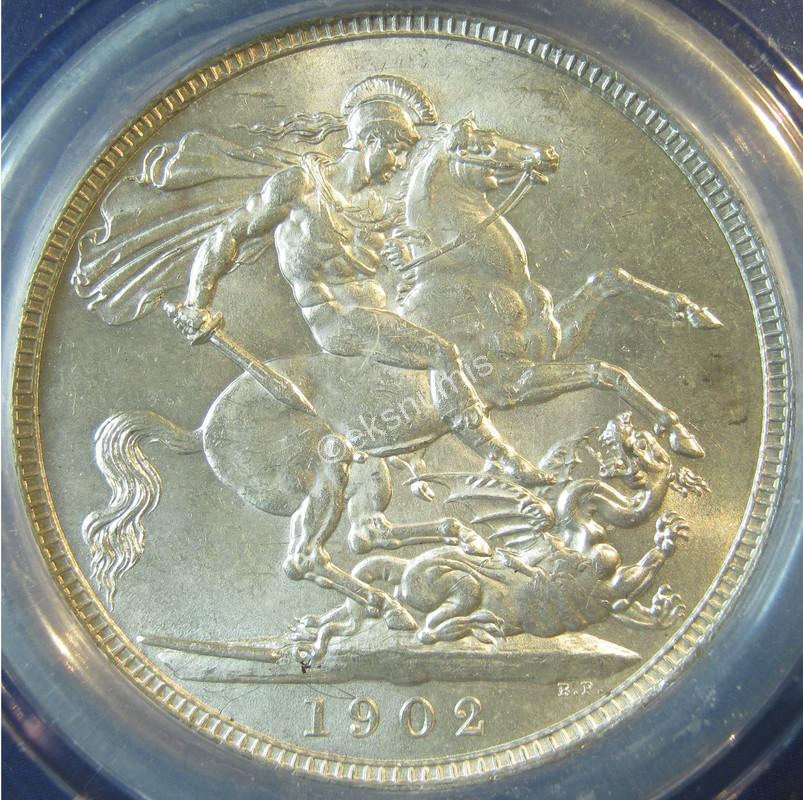
- Crown (1902) – A single Coronation year issue; one of the few circulating crowns of the early twentieth century and the last crown struck before the long gap to 1927.
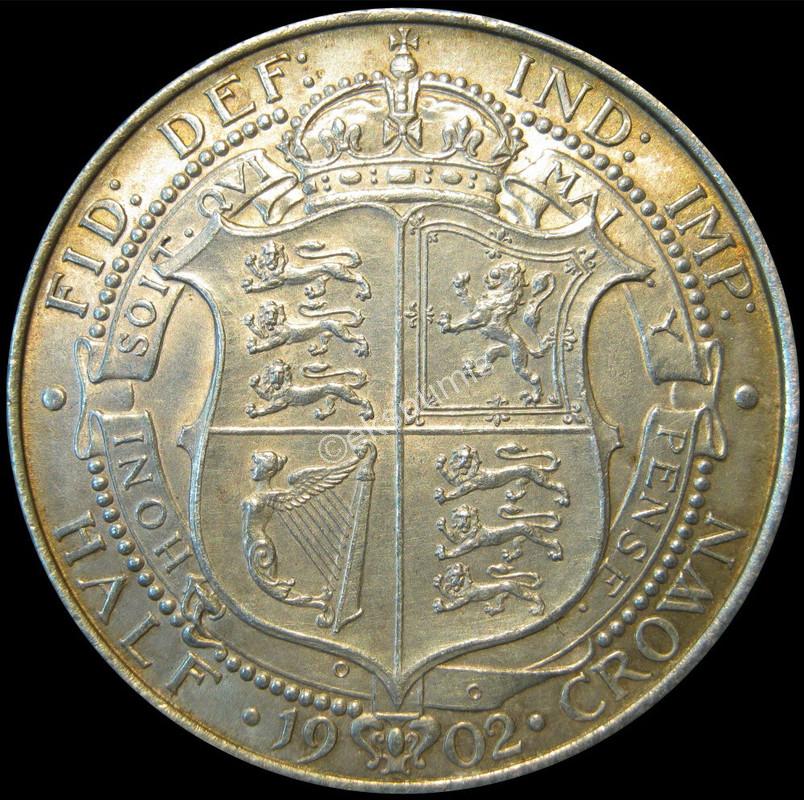
- Halfcrowns (1902–1910) – Annual sterling silver issues with obverse and reverse varieties across several dates; the 1905 is the key date of the series.
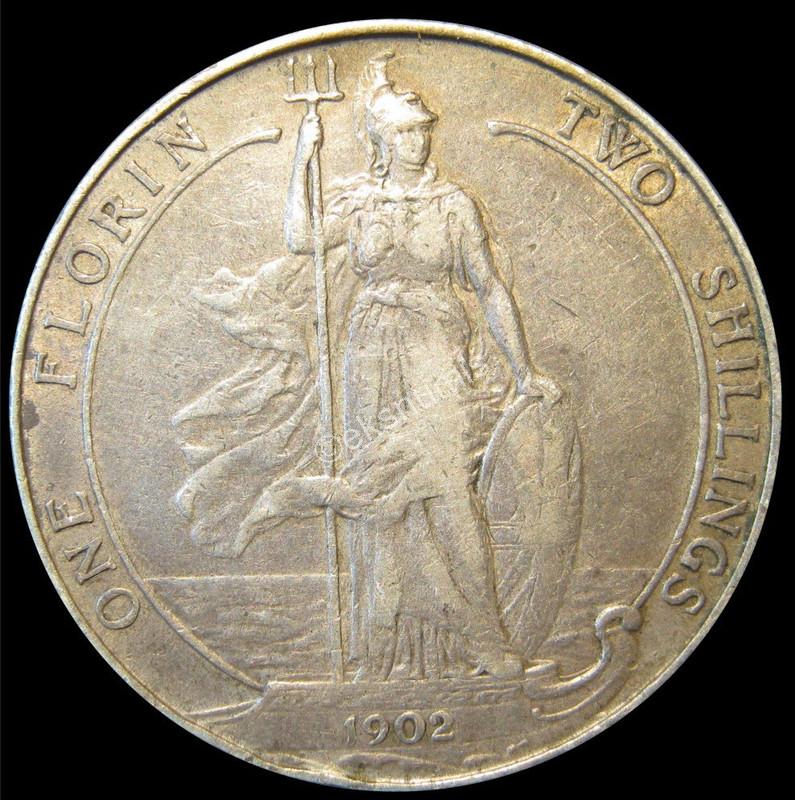
- Florins (1902–1910) – Annual issues throughout the reign; varieties recorded for several dates.
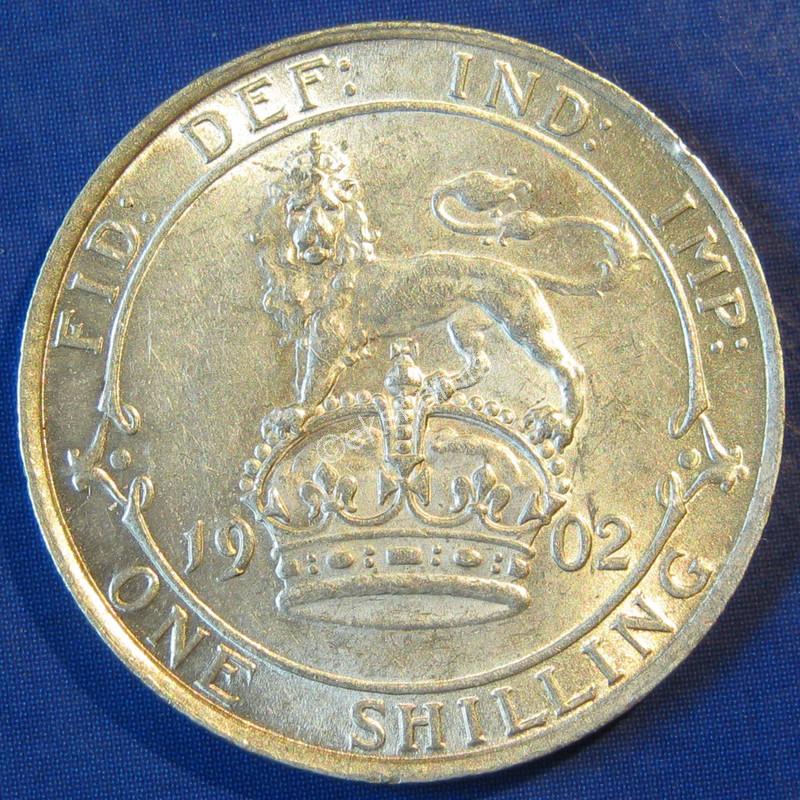
- Shillings (1902–1910) – Multiple obverse types across the series, with up to three obverses recorded for certain years.
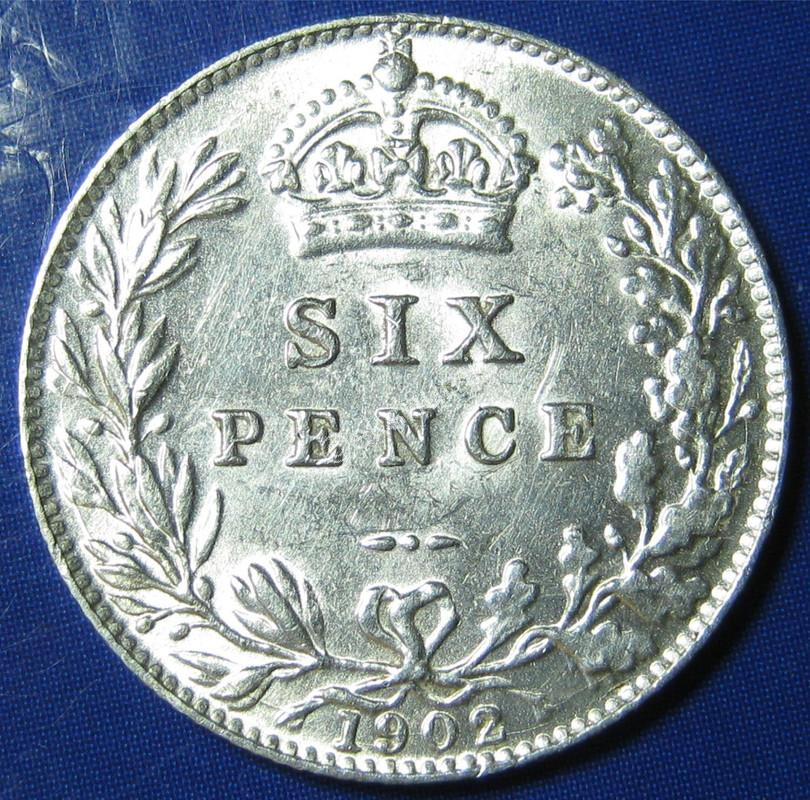
- Sixpences (1902–1910) – Annual sterling silver issues; the 1905 is the key date.
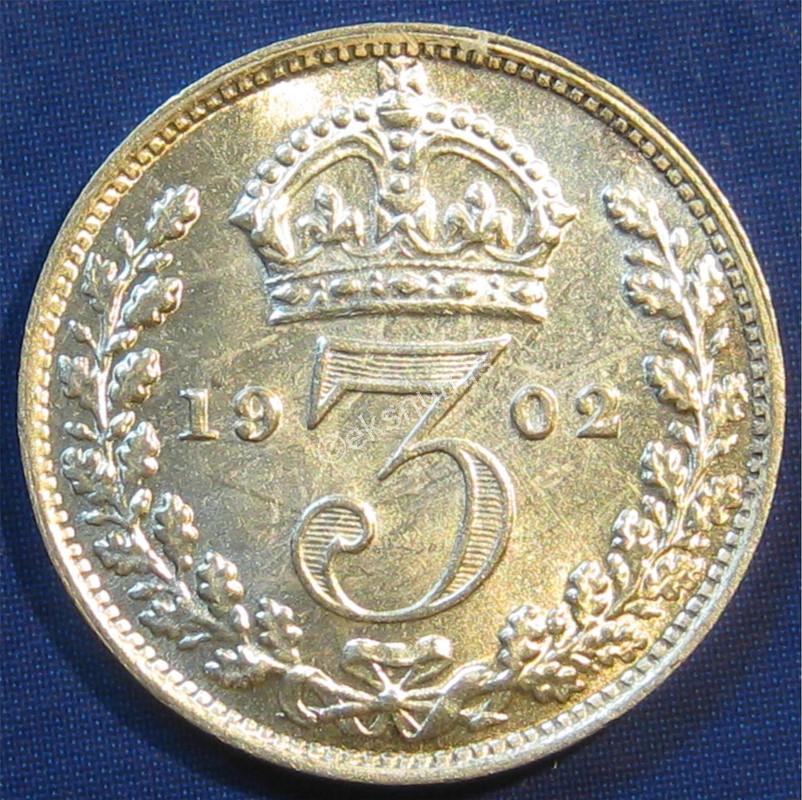
- Threepences (1902–1910) – Annual silver issues; obverse and reverse varieties recorded for several dates including 1906.
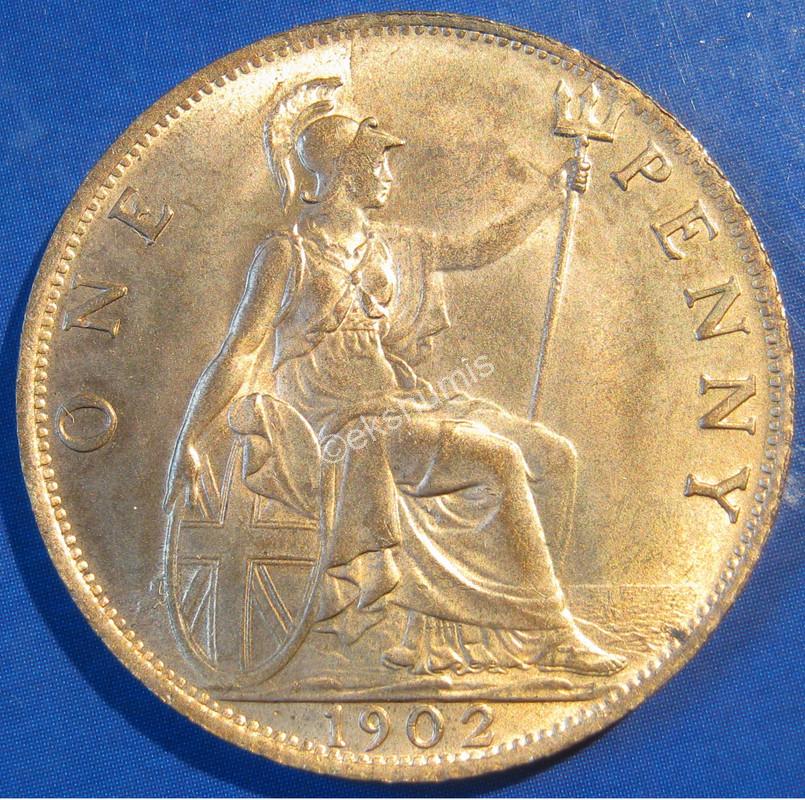
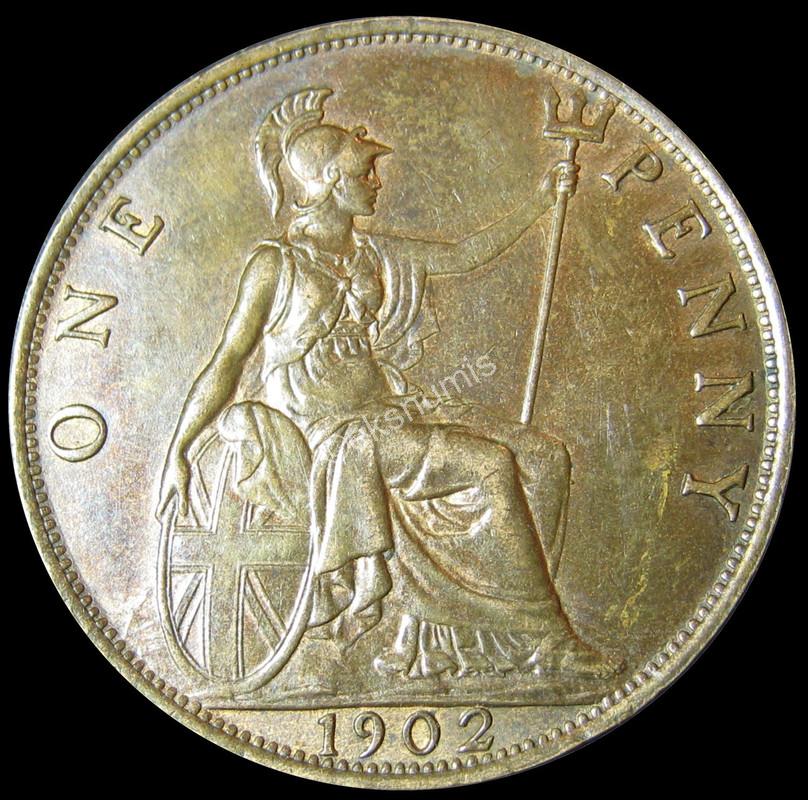
- Pennies (1902–1910) – Bronze; multiple reverse varieties across the series including the Low Tide reverse of 1902 and the Open 3 variety of 1903.
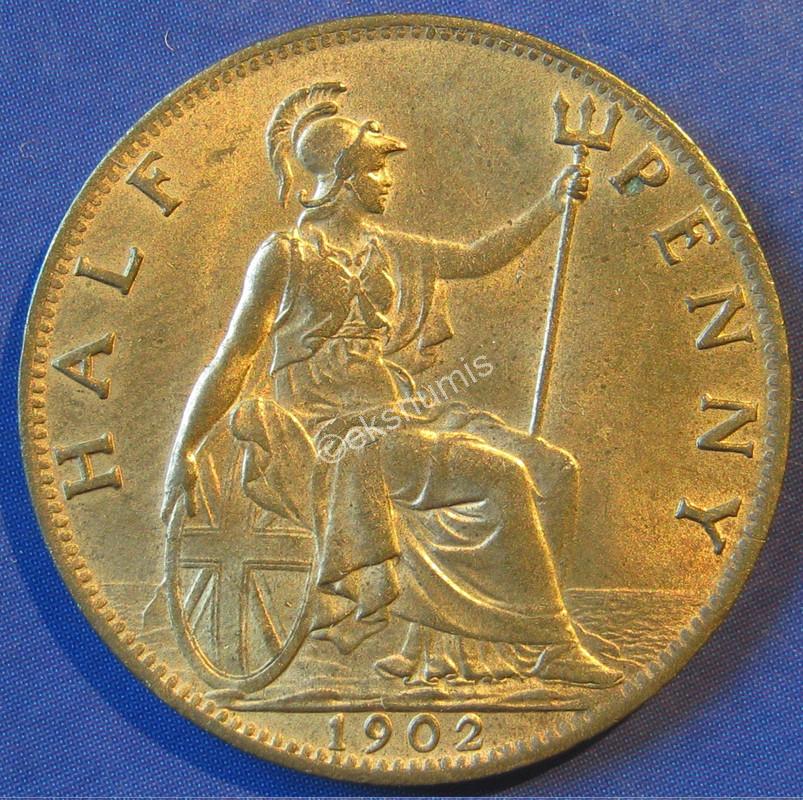
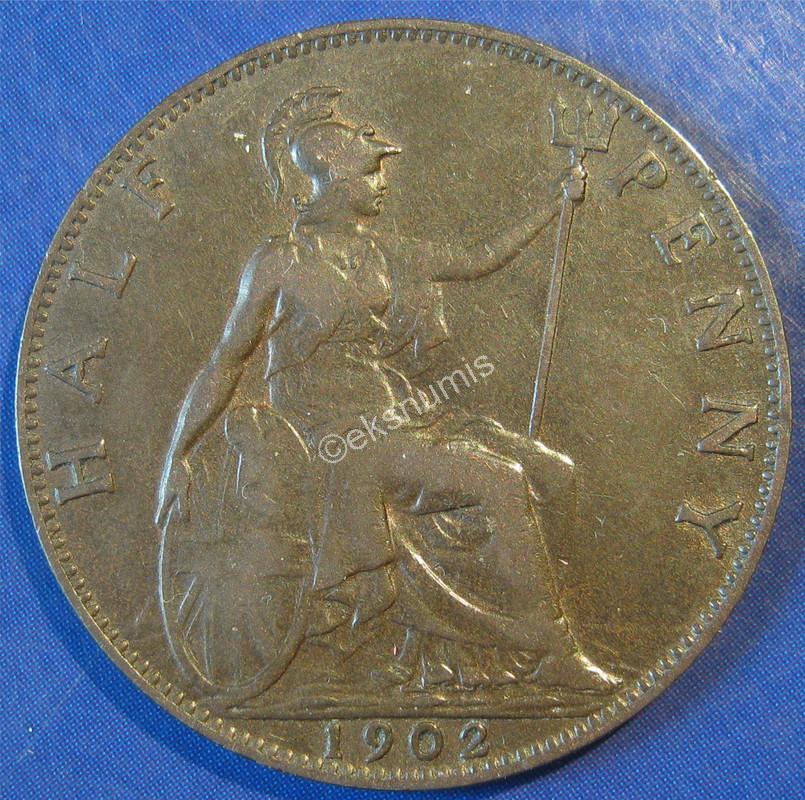
- Halfpennies (1902–1910) – Bronze; the Low Tide variety of 1902 parallels that seen on the penny.
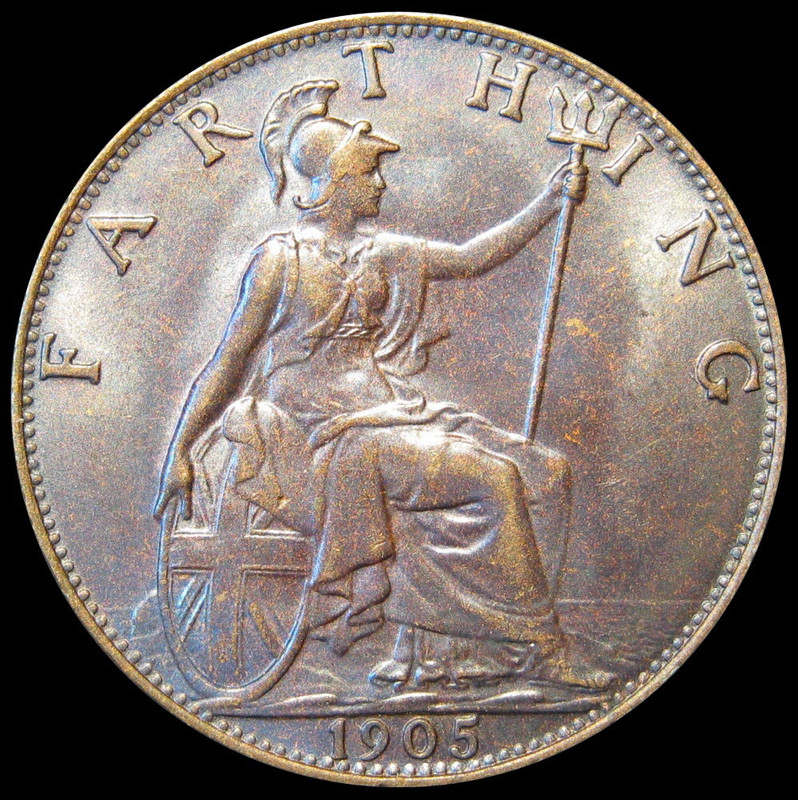
- Farthings (1902–1910) – Bronze; annual issues throughout the reign.
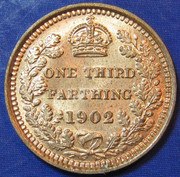
- Third Farthing (1902) – Struck for use in Malta; a single date issue and the last third farthing produced for general circulation.
The Portrait
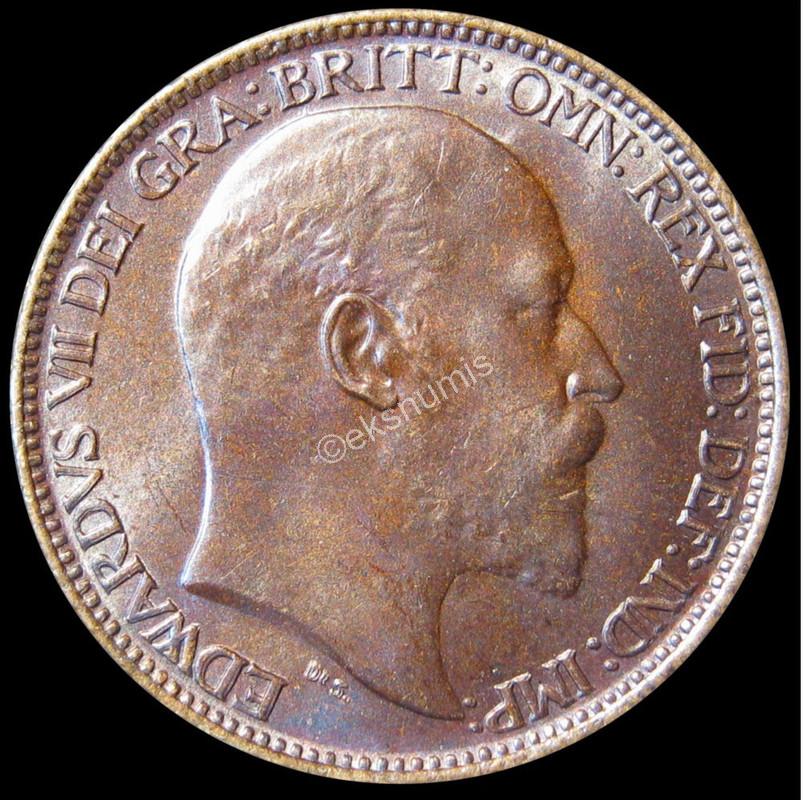
All denominations carry the obverse portrait of Edward VII by George William de Saulles, Engraver at the Royal Mint. The King is depicted bare-headed, facing right, with the legend EDWARDVS VII DEI GRA BRITT OMN REX FID DEF IND IMP. De Saulles died in 1903 but the portrait he created remained in use throughout the reign. It is widely regarded as one of the finest royal portraits on British coinage of the twentieth century.
Sterling Silver — The Last Era
The Edward VII series was the last complete British coinage to be struck in sterling silver (.925 fine) throughout. When rising silver prices following the First World War forced the British government to debase the coinage in 1920, the alloy was reduced to .500 fine under George V — a change that rendered the full-silver Edwardian series a historical milestone. Edward VII coins carry more intrinsic silver content than any subsequent British milled coinage, a fact that adds a further dimension of interest for the collector.
The coin gallery below provides a year-by-year visual reference to every issue across all denominations. Click any coin image to go directly to the relevant section of its denomination page, or select a denomination from the navigation above for full variety listings, specifications, and collector notes.