Elizabeth II
Pre-Decimal Coinage 1953–1967 · Collector Reference
A complete visual reference to the Elizabeth II pre-decimal coinage series — nine denominations from the farthing to the crown, struck between 1953 and 1967. Every date, every variety, with links to full denomination pages.
Introduction
The Elizabeth II pre-decimal coinage spans 1953 to 1967 and represents the final chapter in the long history of British pre-decimal currency. Struck entirely in copper-nickel and bronze — the silver coinage had ended under George VI in 1946 — the series encompasses nine denominations from the farthing to the crown, all bearing the portrait of Queen Elizabeth II by Mary Gillick. This page provides a complete year-by-year visual reference to the Elizabeth II coinage series, with links to detailed denomination pages covering die varieties, obverse and reverse identifications, and collector notes.
The Elizabeth II pre-decimal series is one of the most actively collected areas of twentieth-century British numismatics. The combination of historical significance — the reign opened with the 1953 Coronation and closed on the eve of Decimal Day — and genuine condition rarity across many dates makes it a rewarding field for both the newcomer and the experienced collector. Circulated examples of most dates are easy to find; building a complete set in true mint state is a different matter entirely.
The Coinage at a Glance
Nine denominations were struck for circulation during the reign, along with three commemorative crowns. Each denomination page on this site provides full variety listings, die-pairing identifications, and year-by-year reference images.
- Crowns (1953, 1960, 1965) – Three commemorative issues: the 1953 Coronation Crown, the 1960 New York World's Fair reissue, and the 1965 Churchill Memorial Crown. Two obverses for 1953; polished die version for 1960.
- Halfcrowns (1953–1967) – Copper-nickel throughout; the 1962 date is the most complex of the series with four recorded die pairings. High-grade examples tend to be more readily available than for the smaller denominations.
- Florins (1953–1967) – One of the hardest denominations to complete in mint state, as the florin circulated intensively as decimal 10p well into the 1980s. Dates from 1954 to 1961 are particular condition rarities.
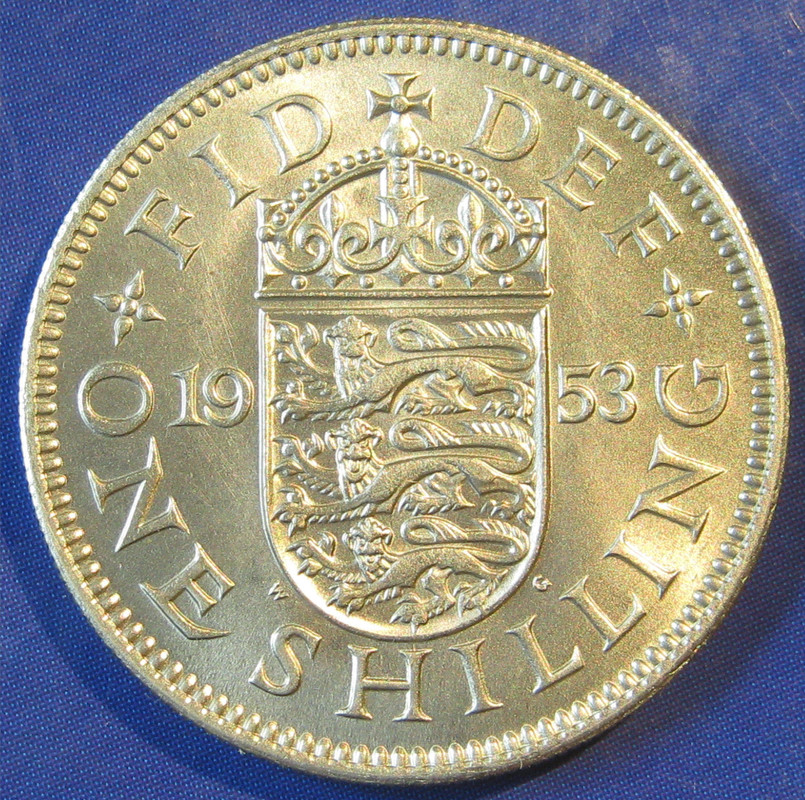
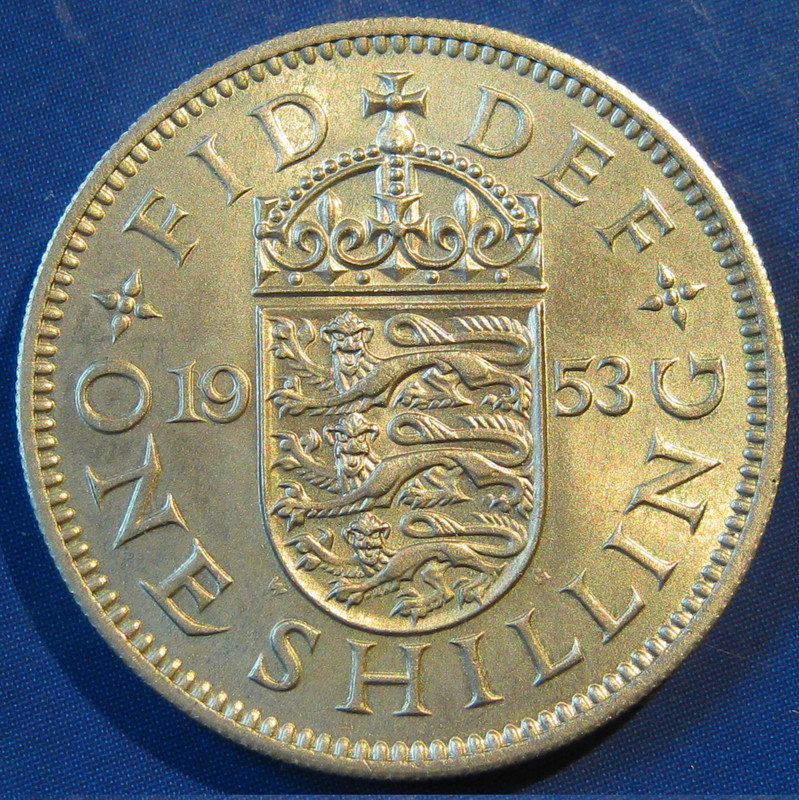
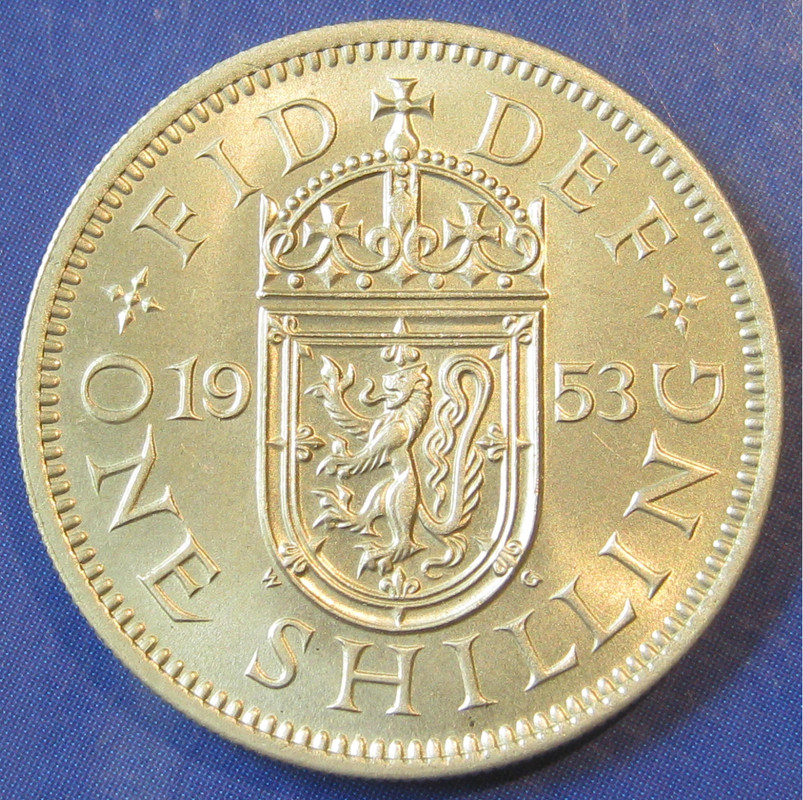
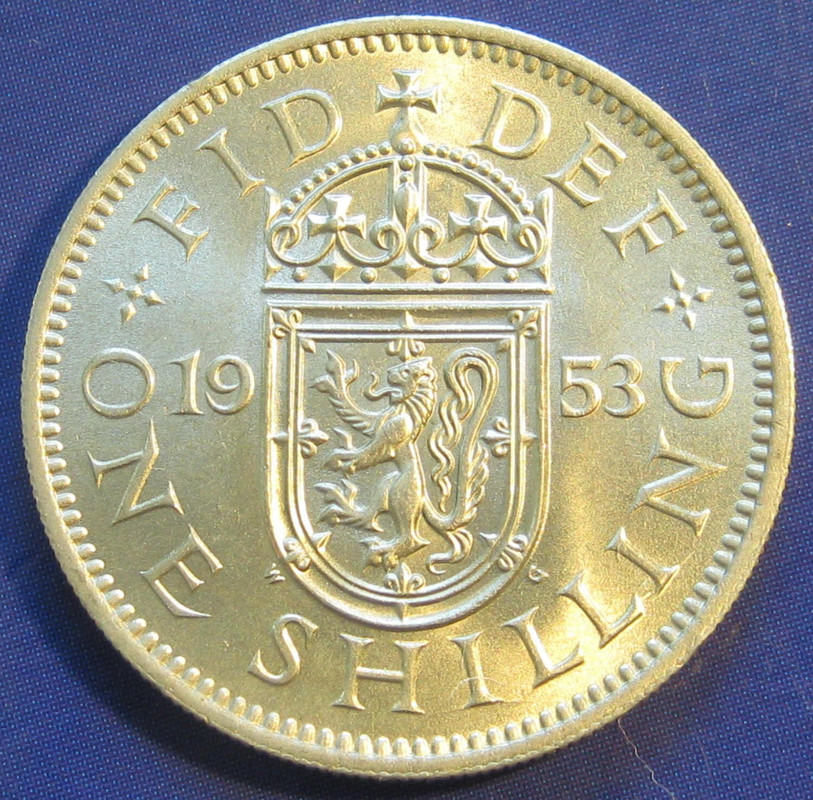
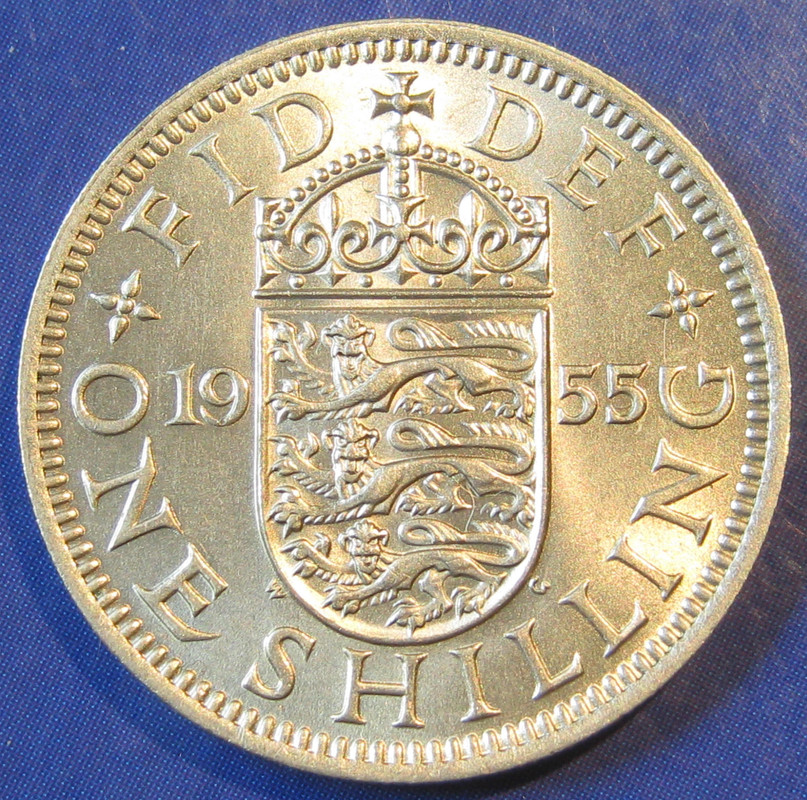
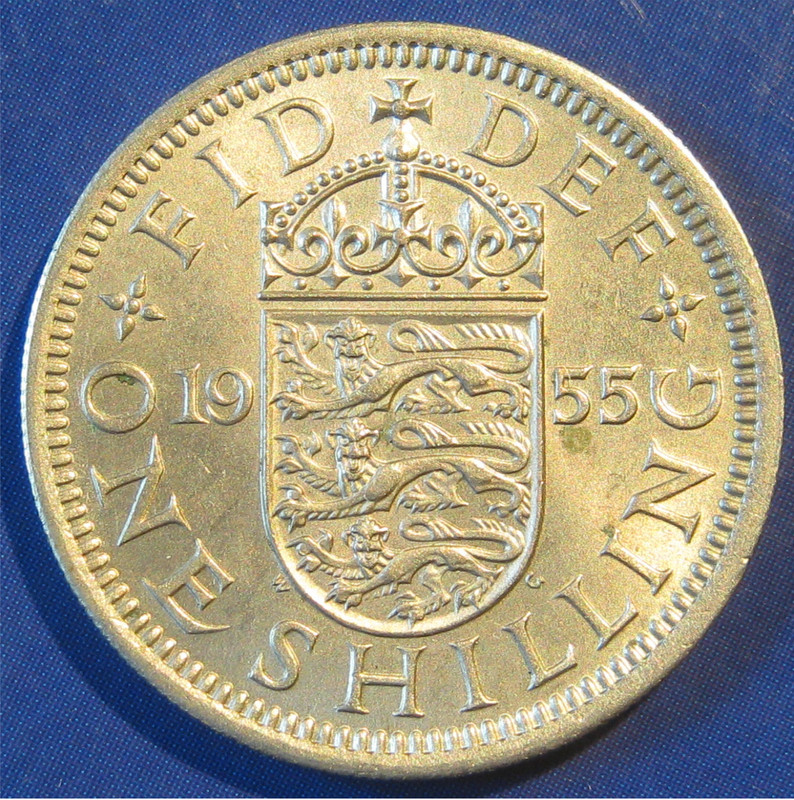
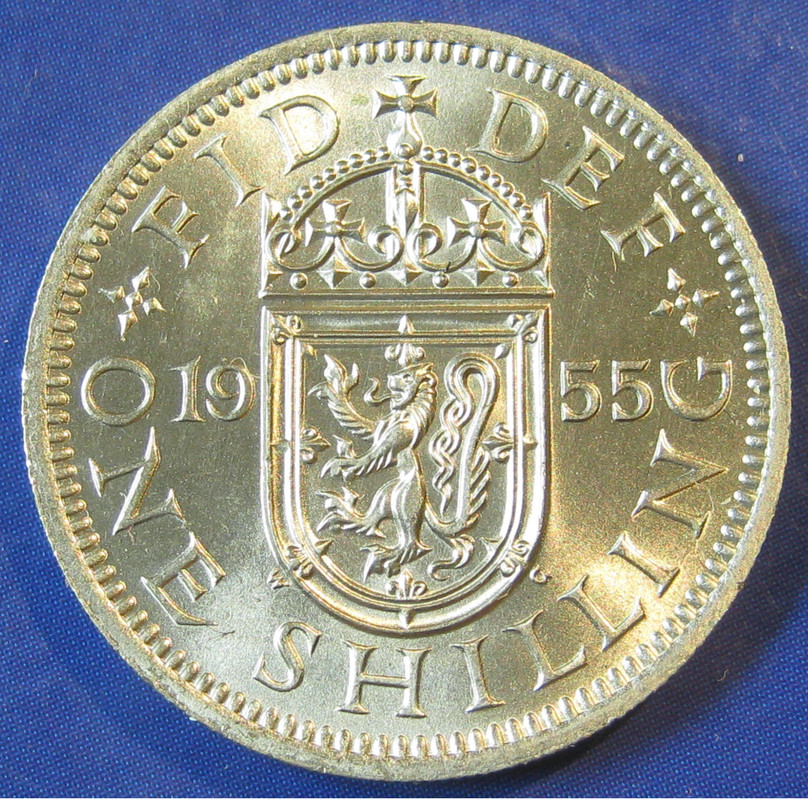
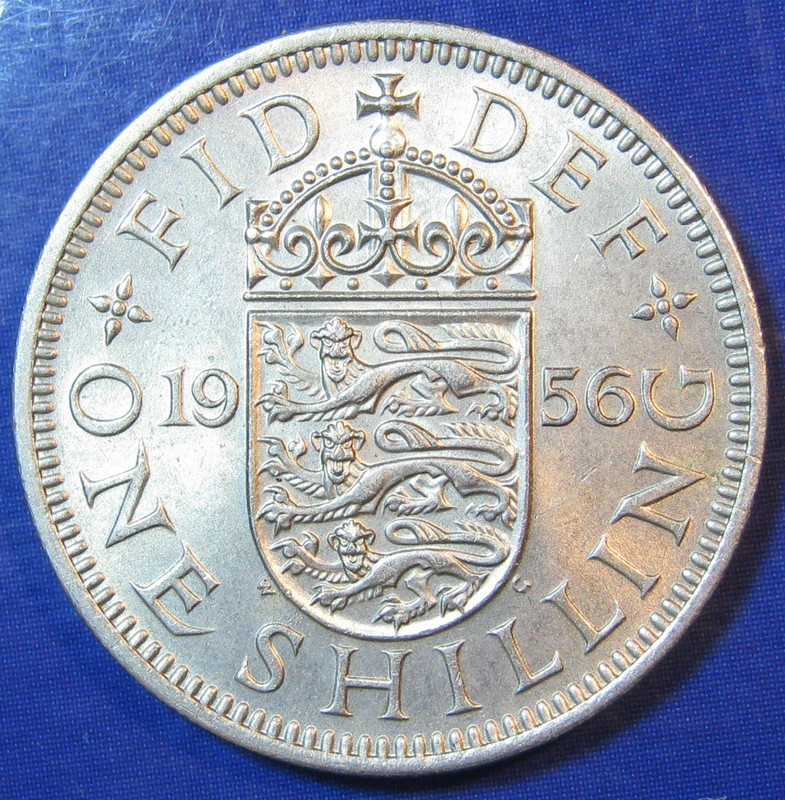
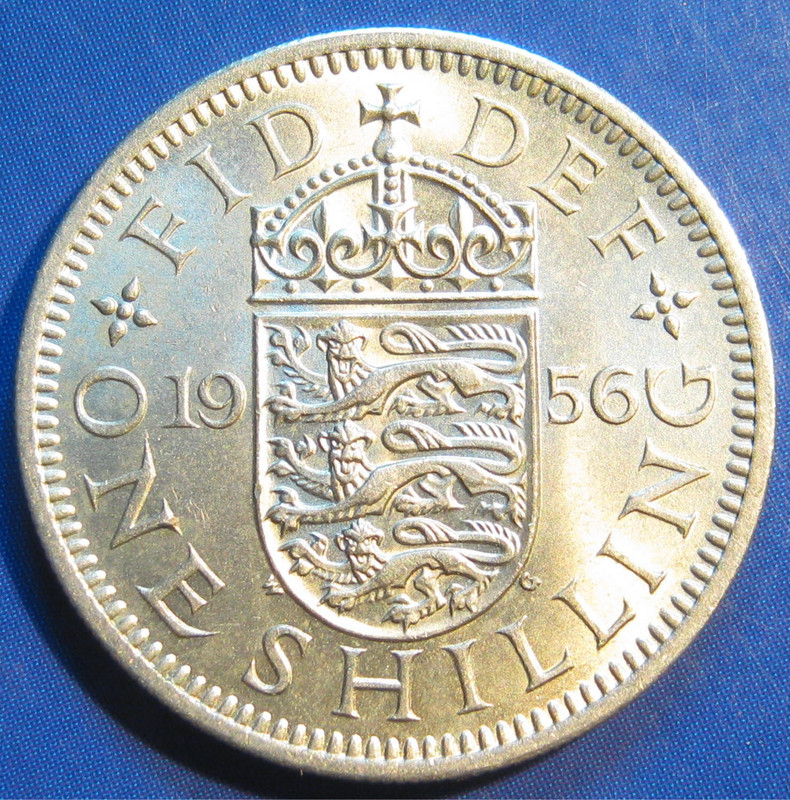
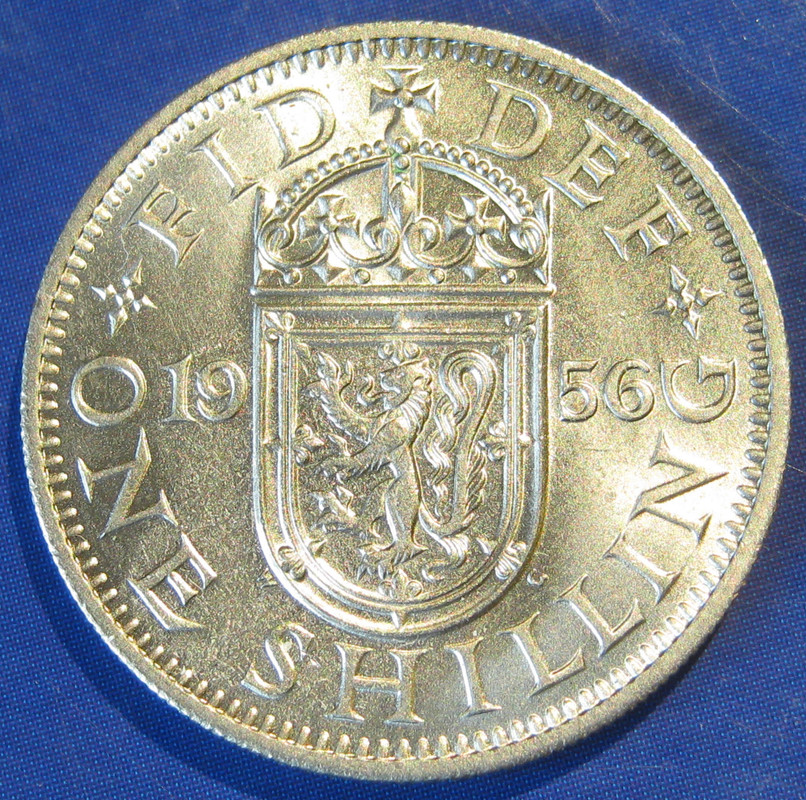
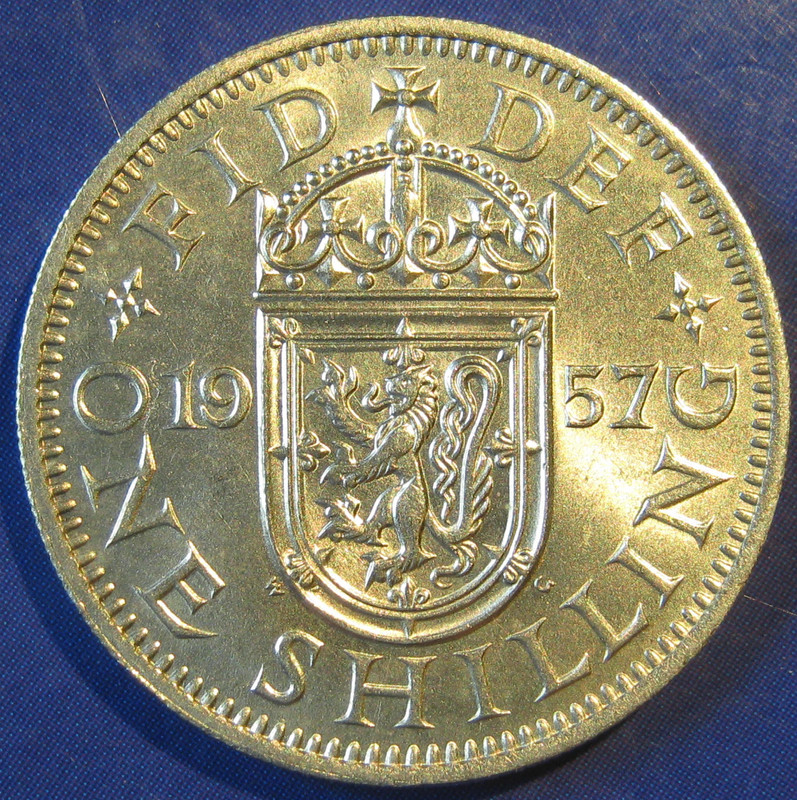
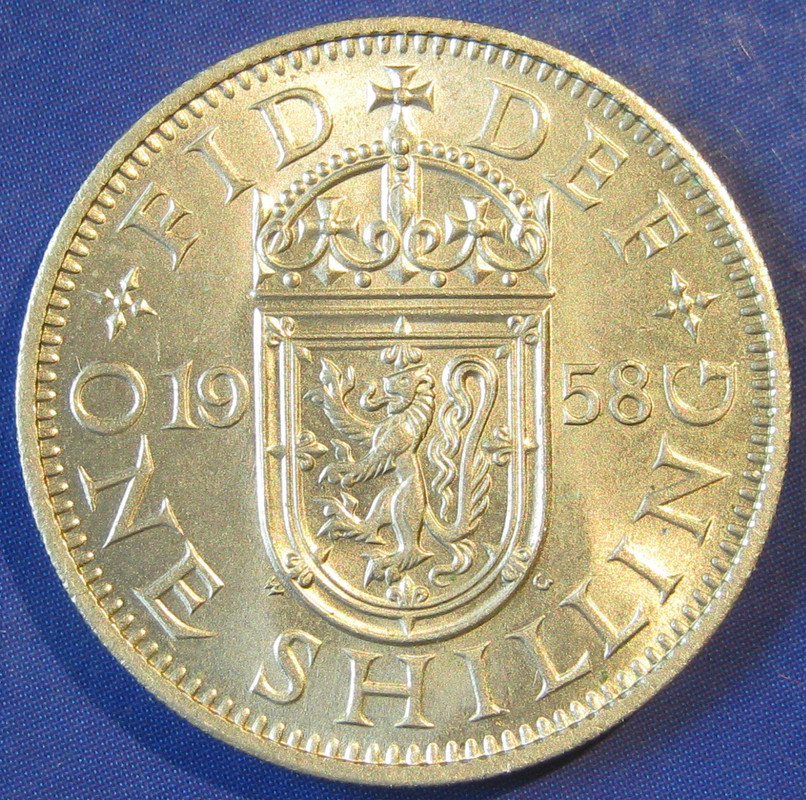
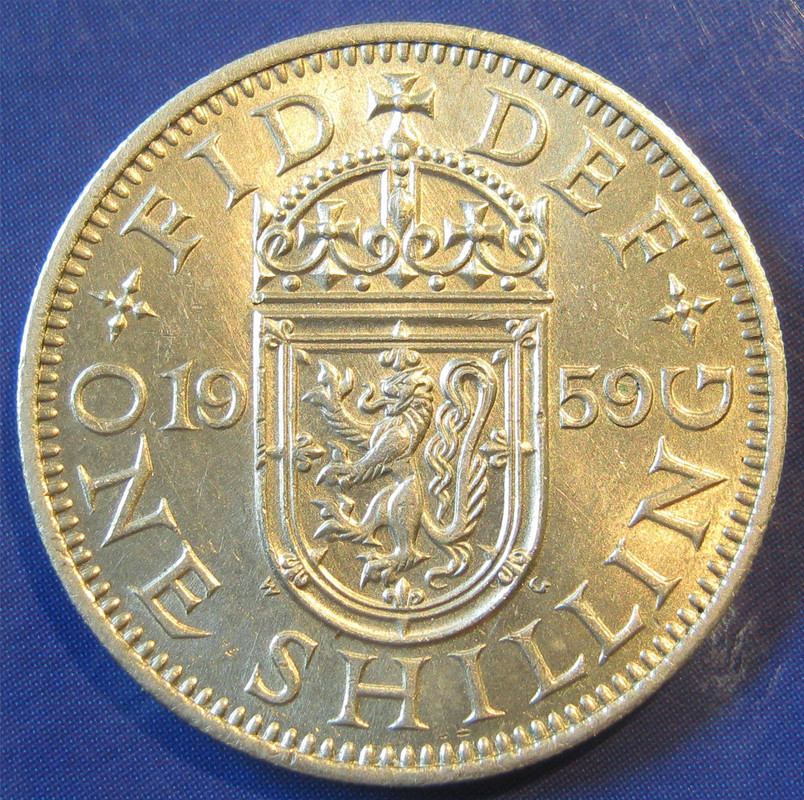
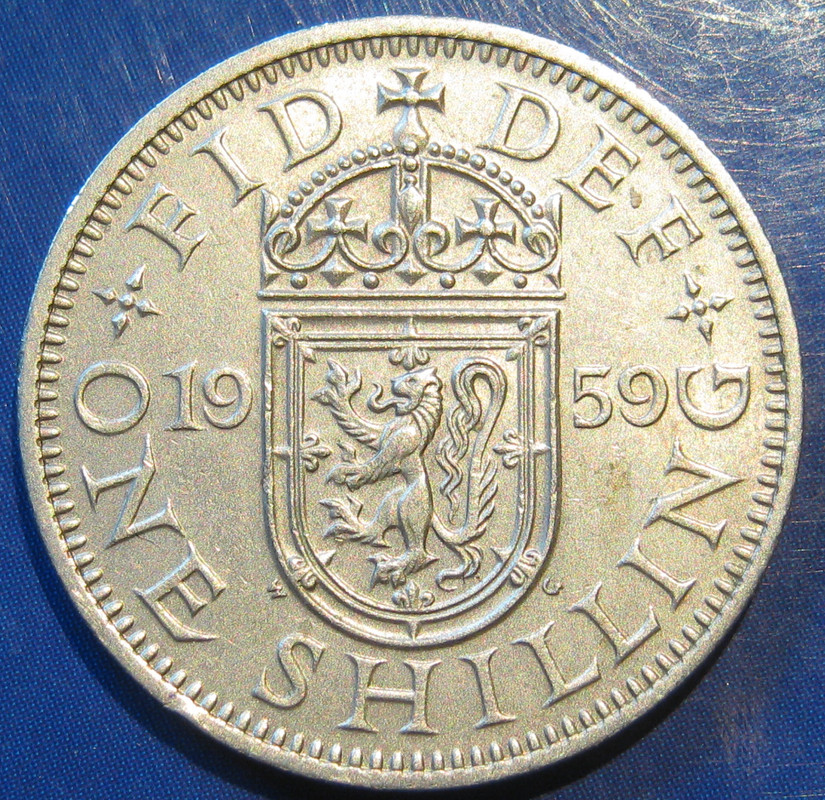
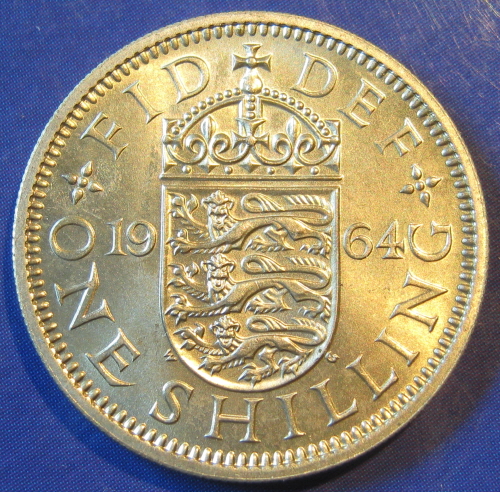
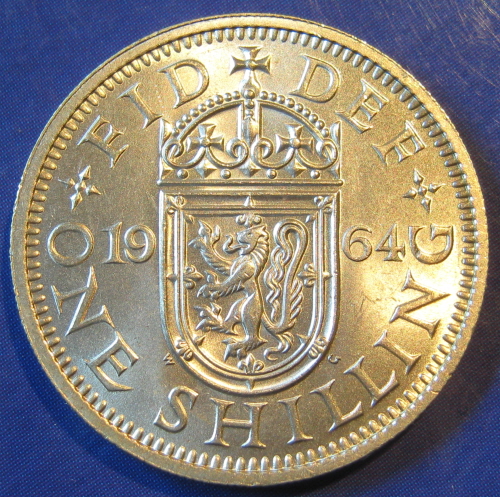
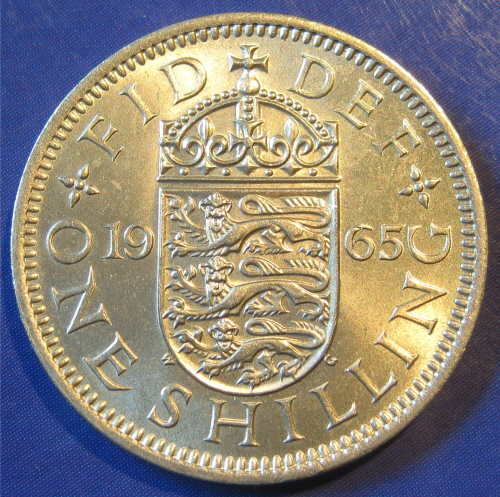
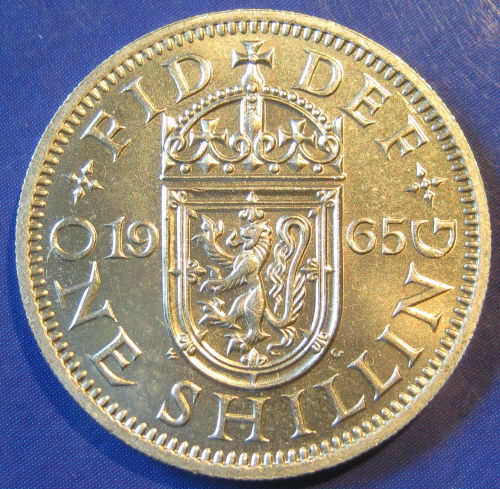
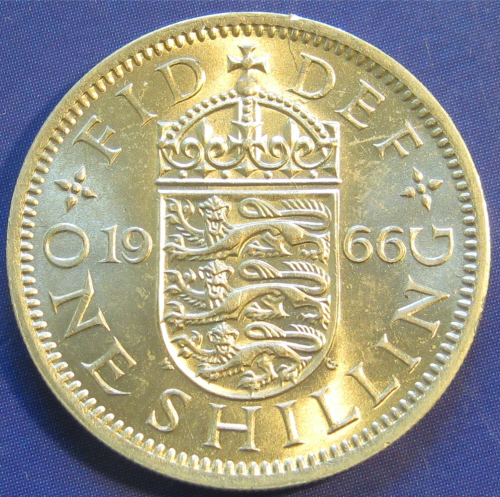
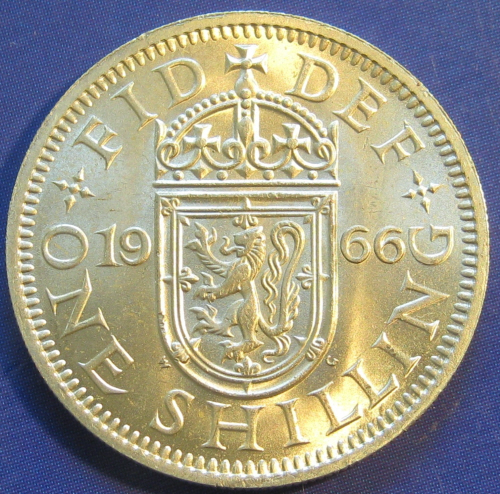
- Shillings (1953–1966) – Struck in both English and Scottish reverse types throughout the series, continuing the tradition established under George VI. A complete date-and-type run represents a satisfying collecting challenge.
- Sixpences (1953–1967) – Familiar from their role as Christmas pudding coins; the series extended well beyond decimalisation as the sixpence remained legal tender until 1980. Earlier dates in mint state are elusive.
- Threepences (1953–1967) – The twelve-sided nickel-brass "thrupenny bit", one of the most fondly remembered coins of the twentieth century. Demonetised in August 1971.
- Pennies (1953–1967) – Bronze; the 1954 is the key date of the series. Production was sporadic across the decade, and several dates are genuine condition rarities.
- Halfpennies (1953–1967) – Bronze, with the Golden Hind reverse. Withdrawn at decimalisation in 1971.
- Farthings (1953–1954) – The shortest-lived denomination of the reign; only two dates were struck before the farthing was demonetised on 1 January 1961.
The 1953 Coronation Year
The first year of the series is also its most complex. Every denomination issued in 1953 — from the farthing to the crown — exists in two obverse varieties, identified by the position of key letters relative to the border beads and, on most denominations, by differences in the sharpness of the Queen's silhouette. Obverse 1 coins are the most commonly encountered in top grade, having been preserved in the official plastic presentation sets issued for the Coronation. Obverse 2 pieces in undamaged mint state are considerably scarcer and offer an accessible but rewarding variety-collecting challenge across the full denomination range.
The Portrait
All denominations throughout the series carry the same obverse portrait — the effigy of Queen Elizabeth II by the sculptor Mary Gillick, depicting the Queen as a young woman wearing a laurel wreath, without a crown. The portrait was first modelled in 1952 and used without modification on circulating coinage until decimalisation in 1971, giving it an unbroken run of nearly twenty years. It remains one of the most widely reproduced portraits in the history of British coinage.
Decimalisation and the End of the Series
The pre-decimal series effectively closed with the 1967 dated issues, which were the last coins struck for general domestic circulation before the transition to decimal currency. Decimal Day fell on 15 February 1971, after which the old coinage was progressively withdrawn. Some denominations survived the transition: the shilling continued as the 5p, the florin as the 10p, and the sixpence as 2½p — the latter remaining in circulation until 1980 and the florin until 1993. The penny, halfpenny, threepence, and farthing had no decimal successors and were demonetised at or shortly after Decimal Day.
The coin gallery below provides a year-by-year visual reference to every issue across all denominations. Click any coin image to go directly to the relevant section of its denomination page, or select a denomination from the navigation above for full variety listings, specifications, and collector notes.