Introduction
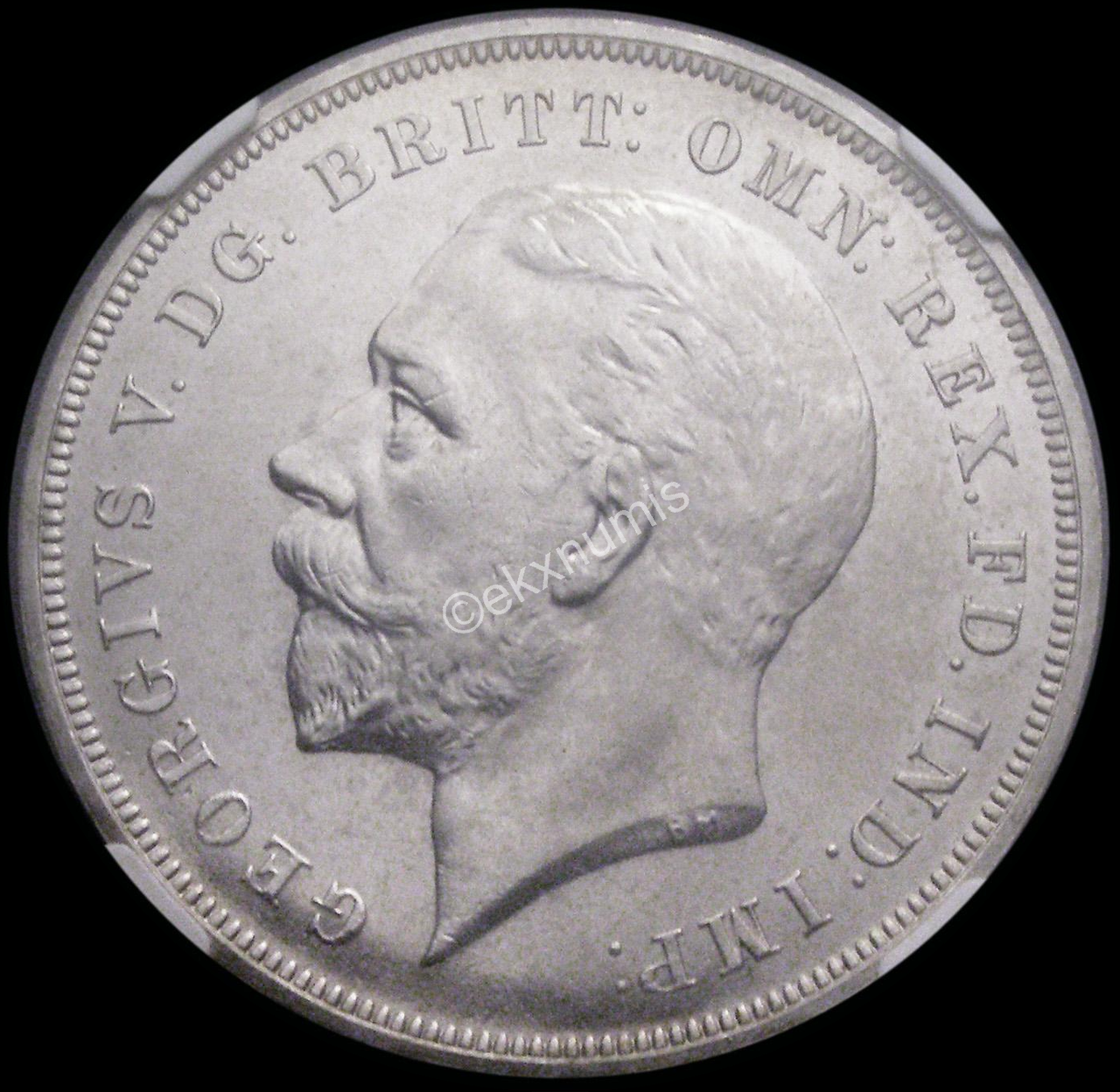
The George V Crown was struck from 1927 to 1936, making it one of the
shorter-lived but most visually distinctive Crown series of the 20th century. This page provides a
year-by-year reference for the George V Crown series, including design details, obverse
and reverse pairings, and notes on the exceptional 1935 Rocking Horse Crown.
Unlike the earlier silver denominations of the reign, the Crown was not issued for general circulation
but was produced in relatively small quantities, primarily for collectors and commemorative purposes.
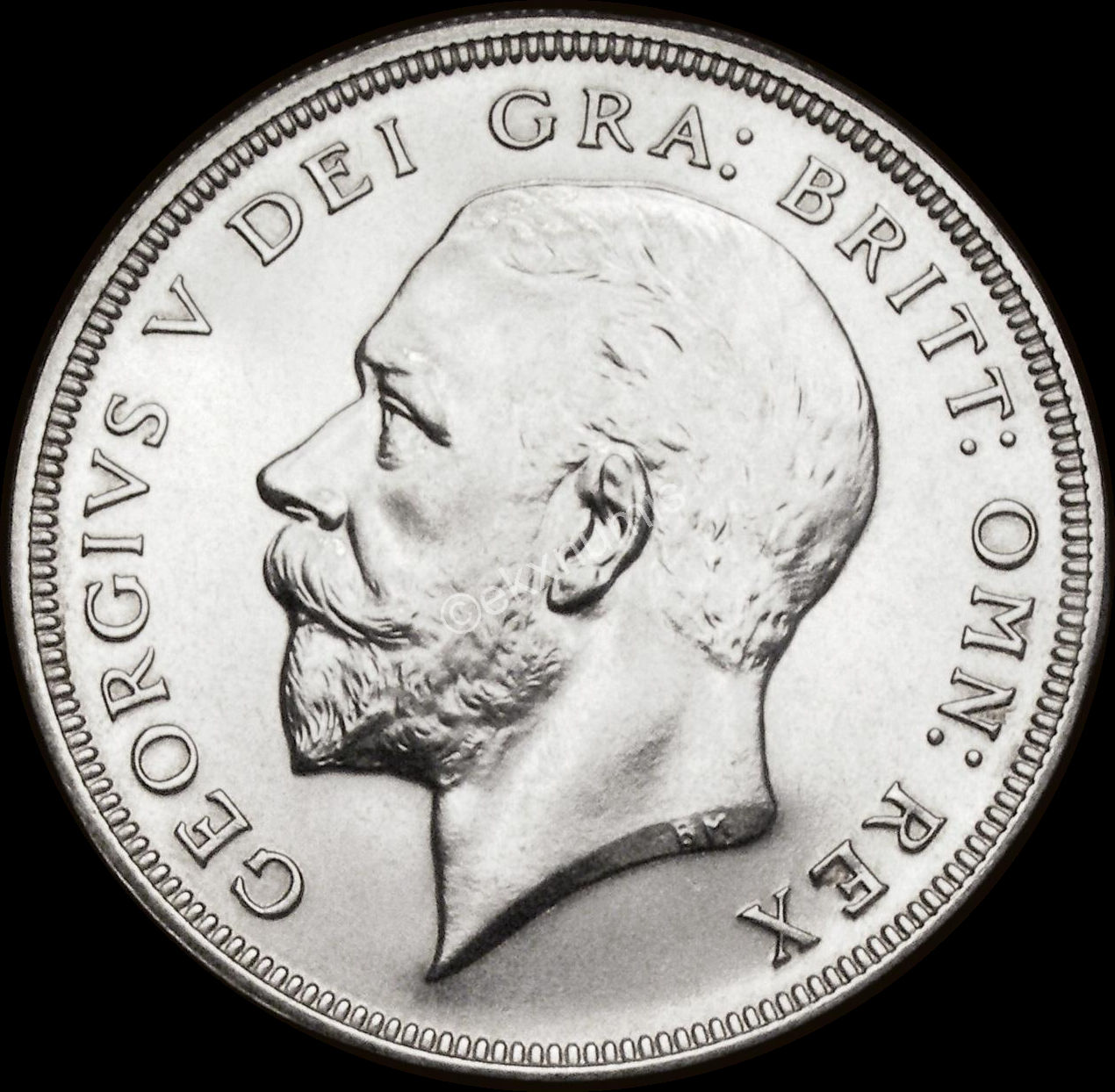
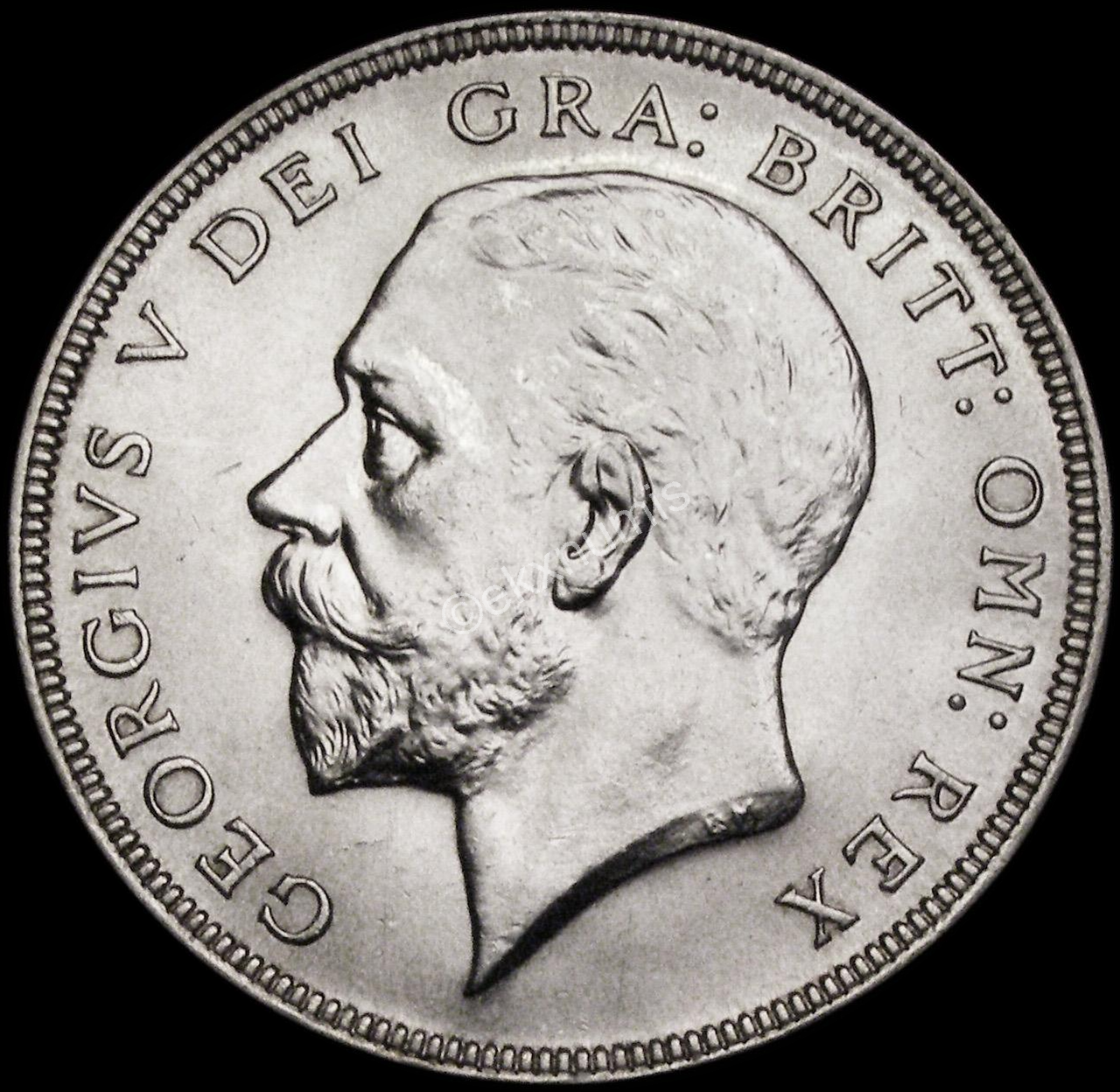
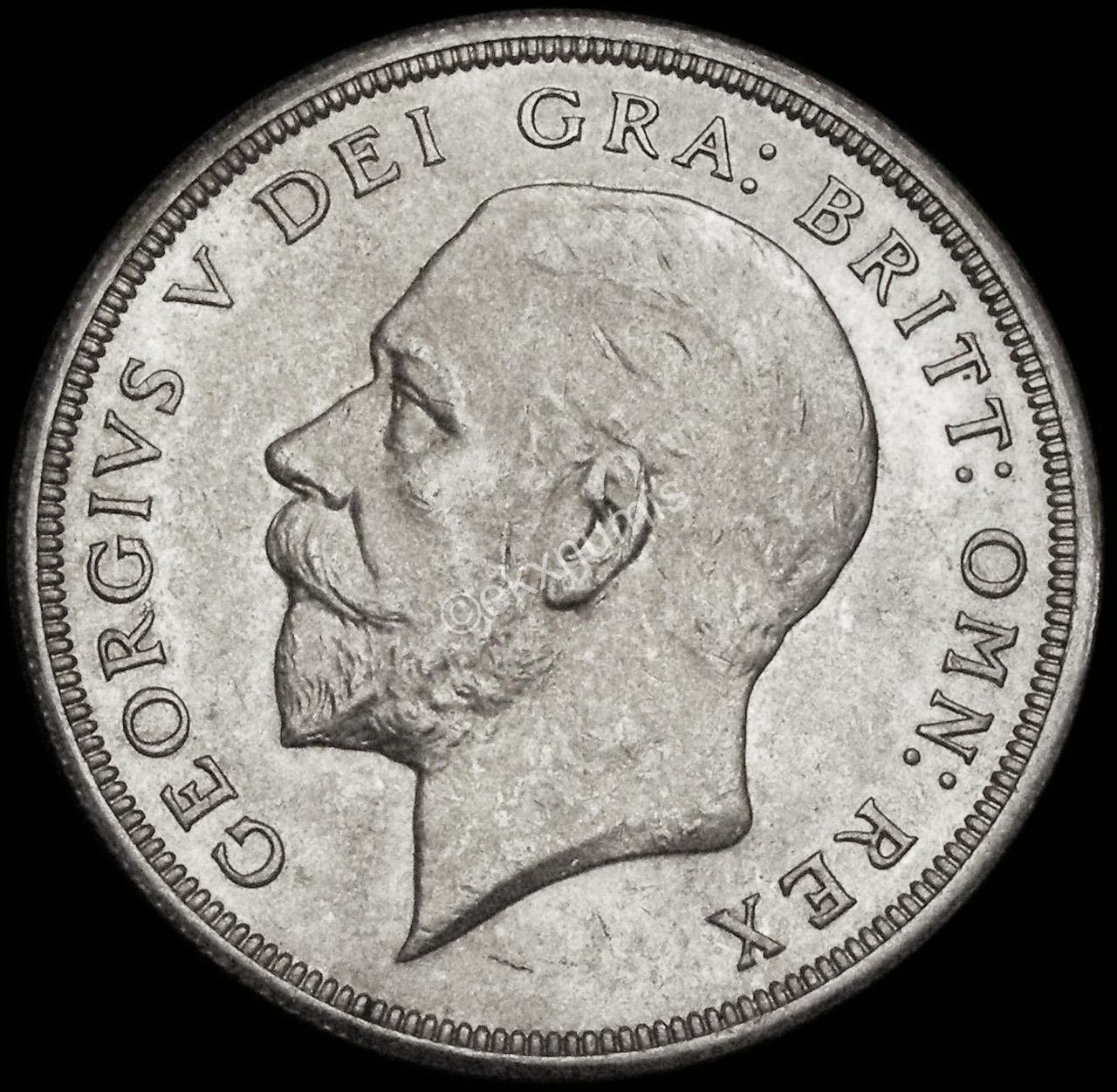
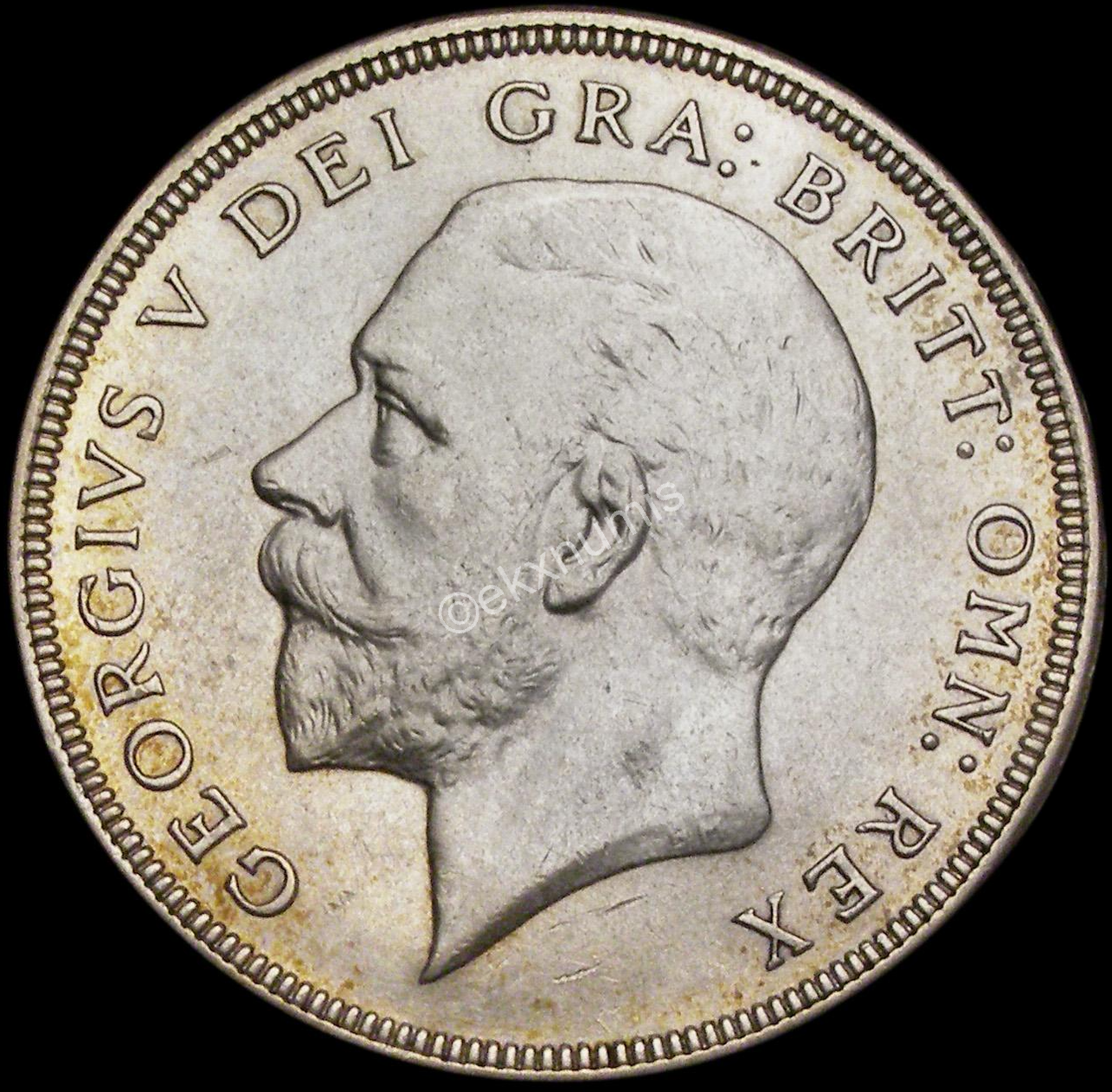
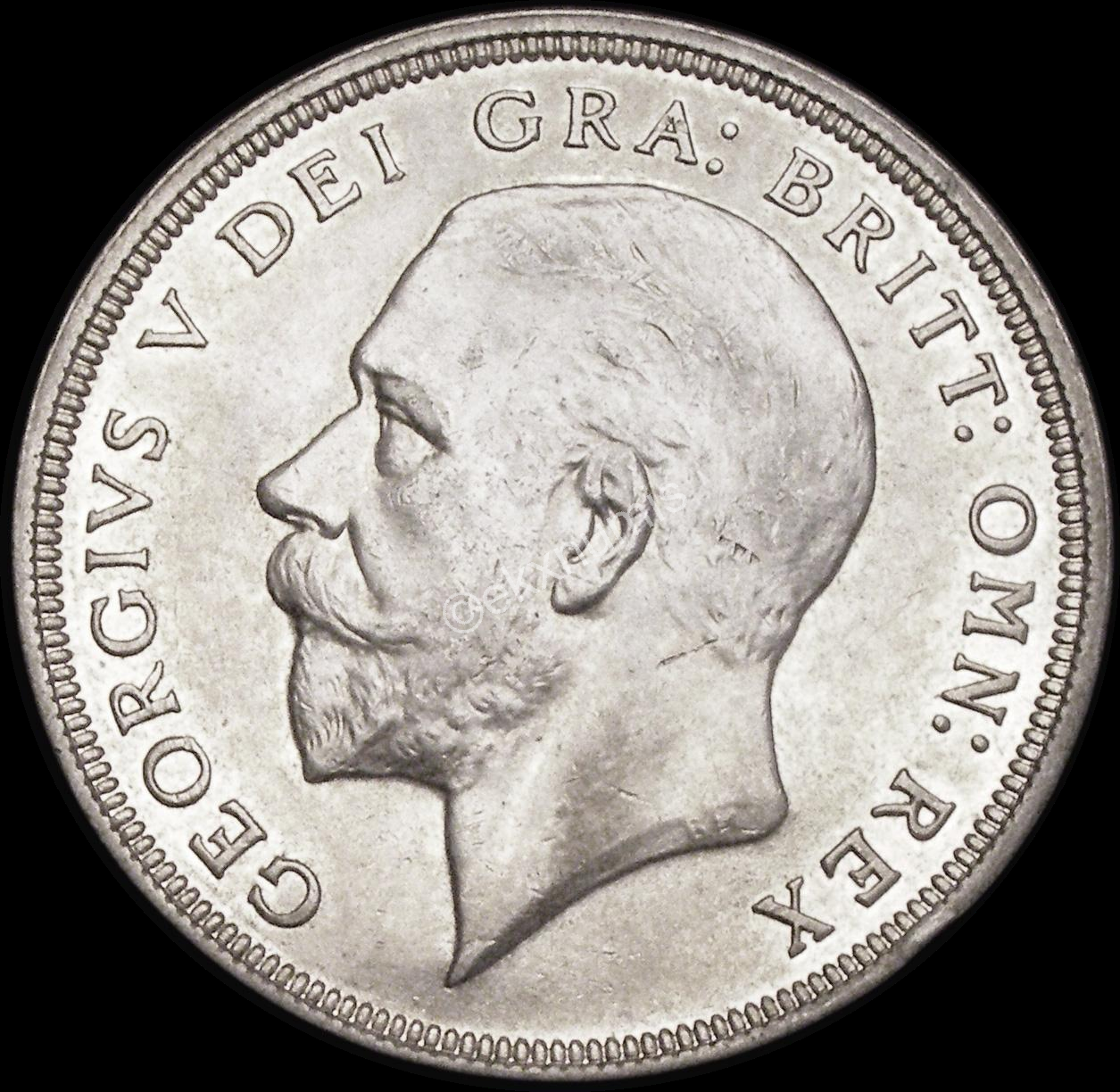
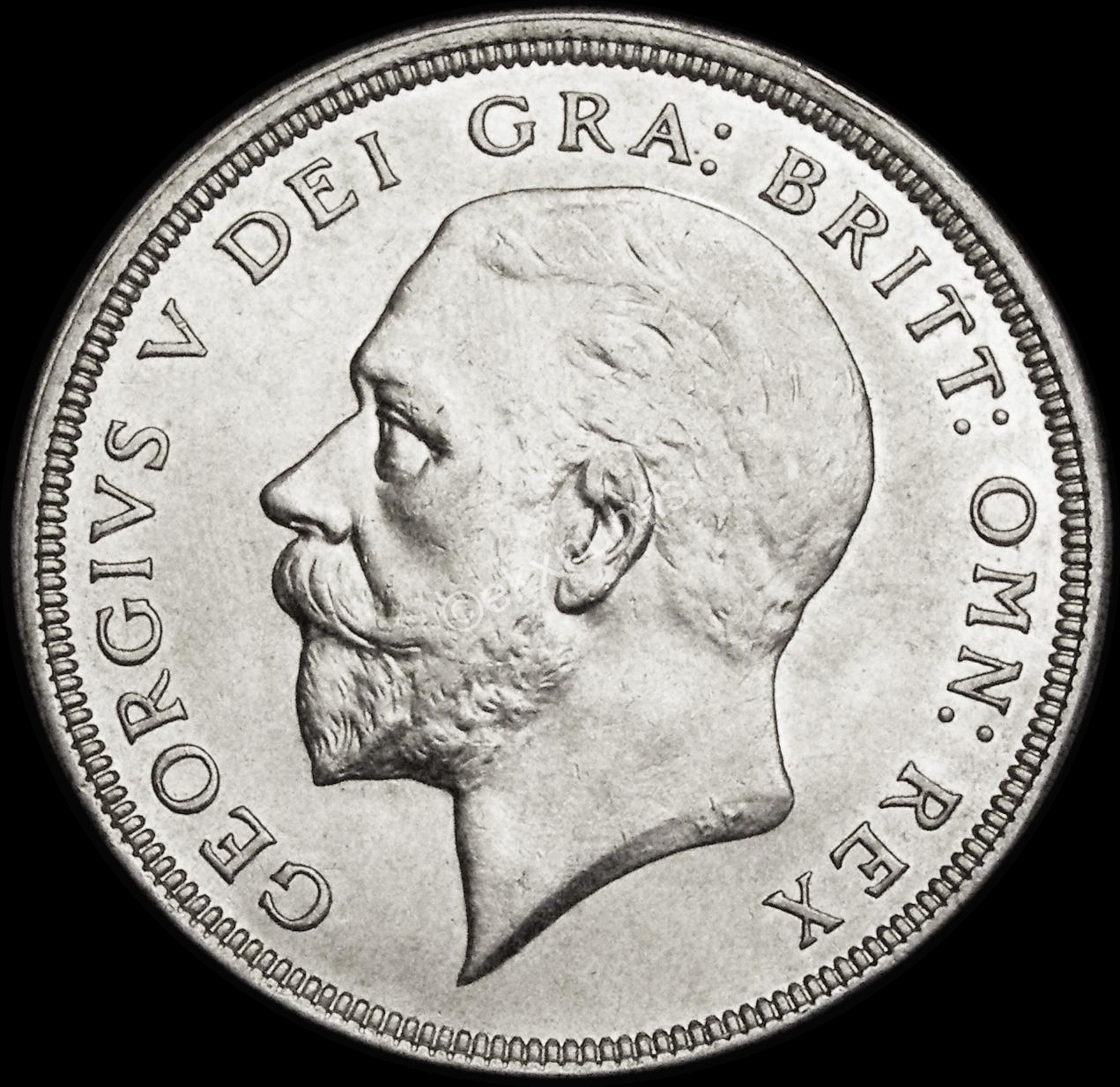
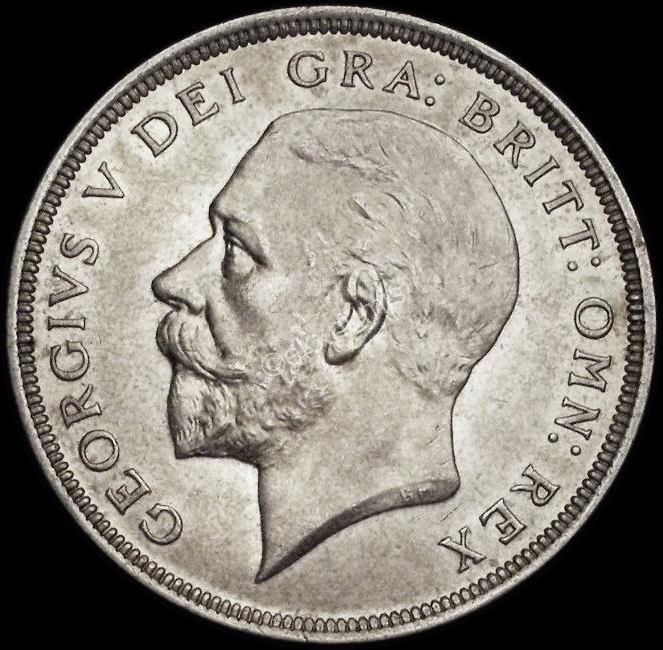
All George V Crowns are struck in .500 silver with a reeded edge, and share the same
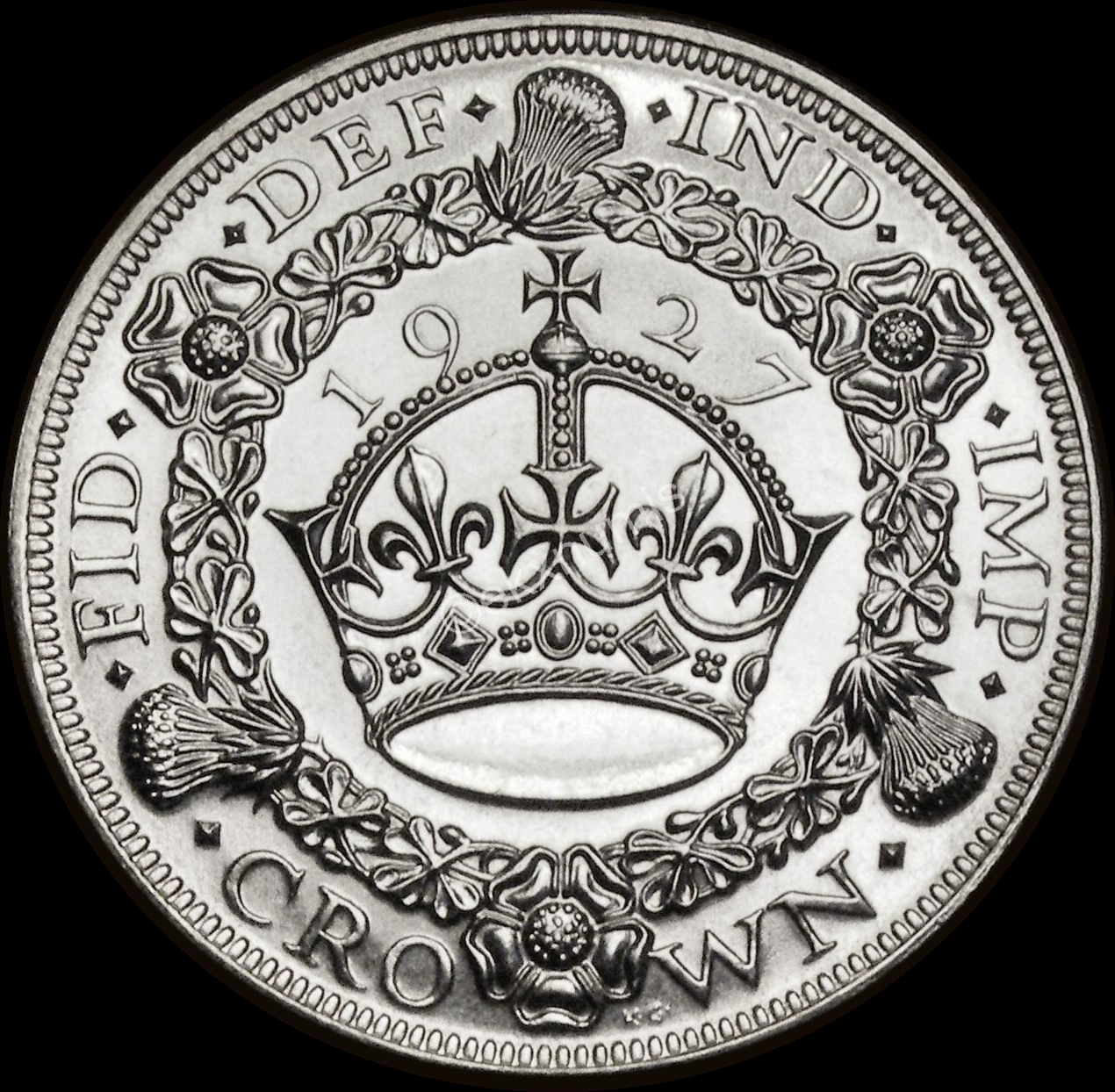
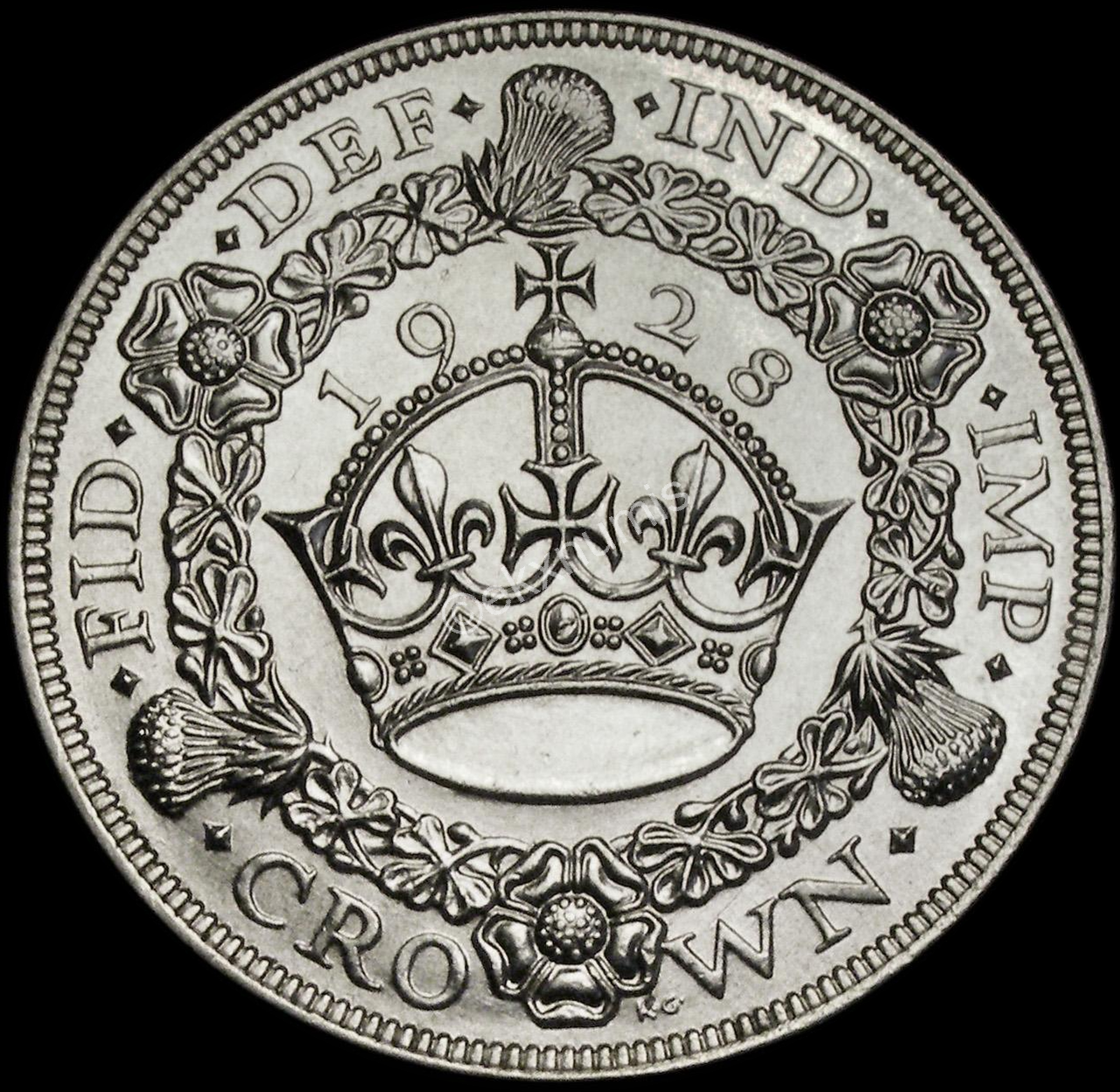
obverse effigy by Sir Bertram Mackennal alongside the new reverse by George Kruger Gray, introduced as
part of the comprehensive 1927 coinage redesign.
- 1927–1934 Issues – Annual issues struck in small quantities with the standard Kruger Gray reverse. The 1928 Crown is the first year of regular issue; mintages vary considerably across dates.
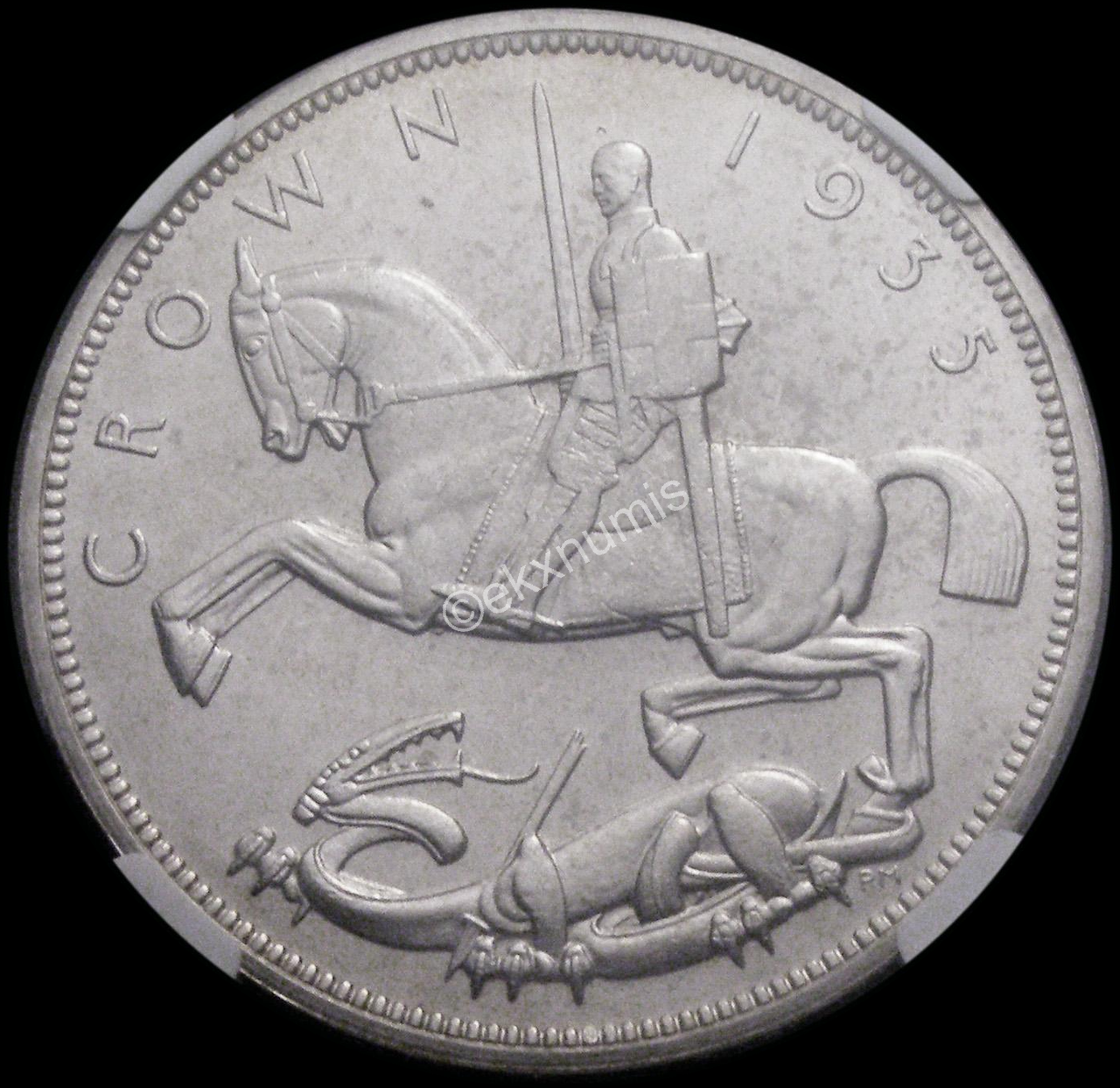
- 1935 Issue – The Silver Jubilee Crown, commonly known as the Rocking Horse Crown, features a distinctive reverse by Percy Metcalfe depicting St. George on horseback. Available in standard, specimen, and proof formats.
- 1936 Issue – The final Crown of the reign, struck in the year of George V's death. A scarce date, particularly in higher grades.
Coinage Details
1927–1934 Issues — The standard Crown of the reign used the effigy of George V by
Sir Bertram Mackennal on the obverse, paired with a new reverse by George Kruger Gray showing the
quartered Royal Arms in a modern arrangement. All pieces were struck at the Tower Hill Mint in .500 silver
with a reeded edge. Mintages across these years are modest and vary significantly; as a result, condition
rarities exist throughout the run, with the 1930 Crown in particular being difficult to source in high grade.
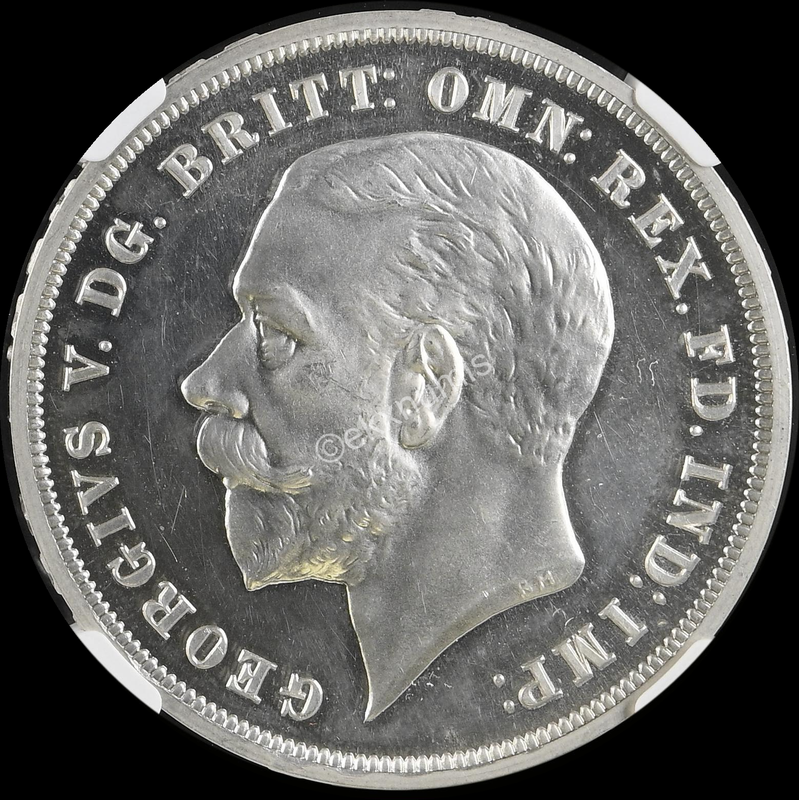
1935 Issue — The Silver Jubilee Crown is the jewel of the George V Crown series.
The reverse by Percy Metcalfe depicts St. George on horseback, derived from a design Metcalfe had
originally prepared for the gold coinage. The coin was produced in three formats: a standard currency
strike, a specimen version, and a proof. The specimen issue was struck with a matte-like surface finish
and is the form most commonly encountered by collectors today; the proof is considerably rarer. This is
one of the most admired British coins of the 20th century.
1936 Issue — The last George V Crown was struck in the year of the King's death and
carries the standard Kruger Gray reverse. It represents the close of a Crown series that, while brief,
encompasses one of the most celebrated British coin designs of the modern era.
George V Crowns
 1927
1927
 1928
1928
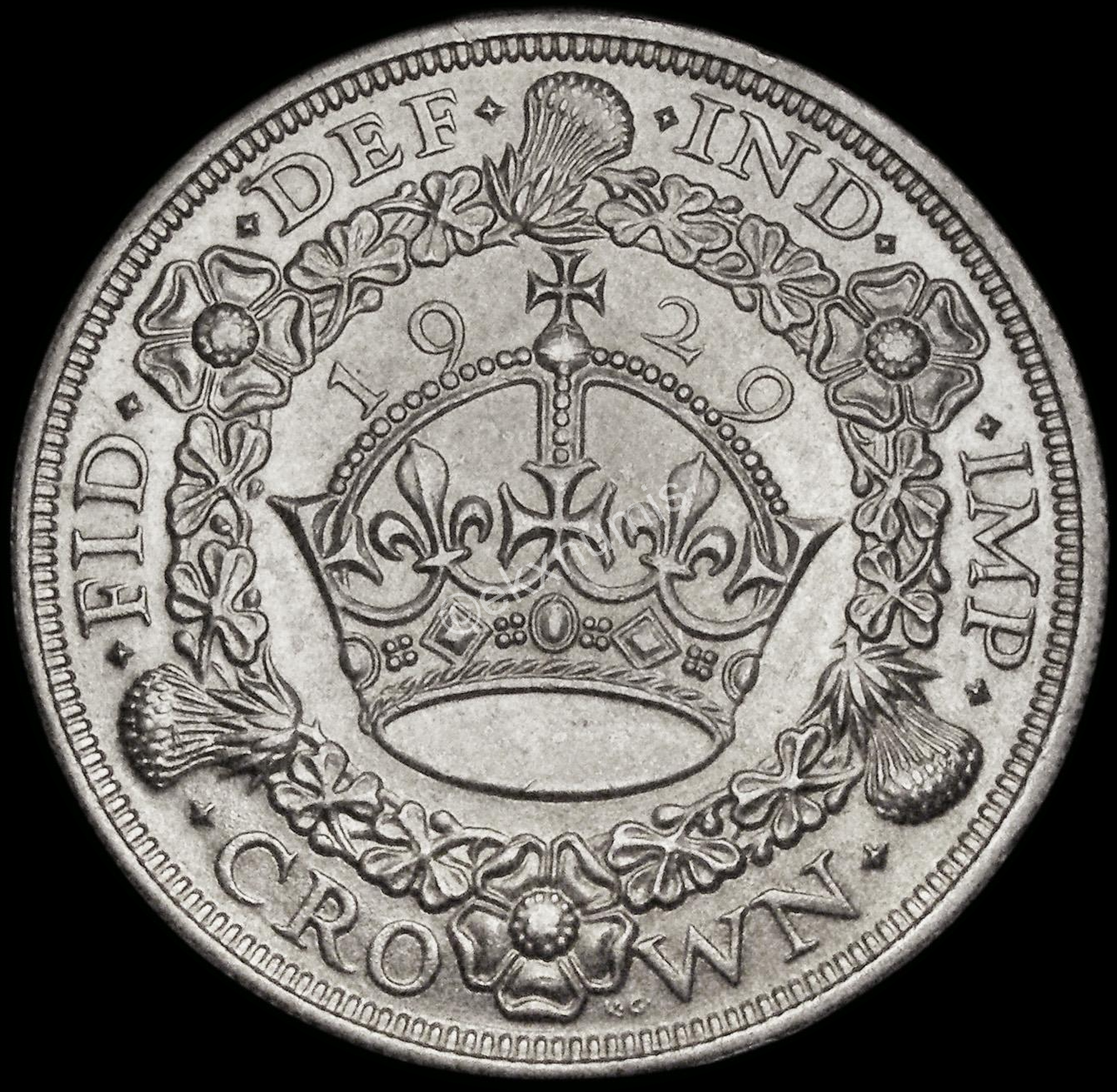 1929
1929
 1930
1930
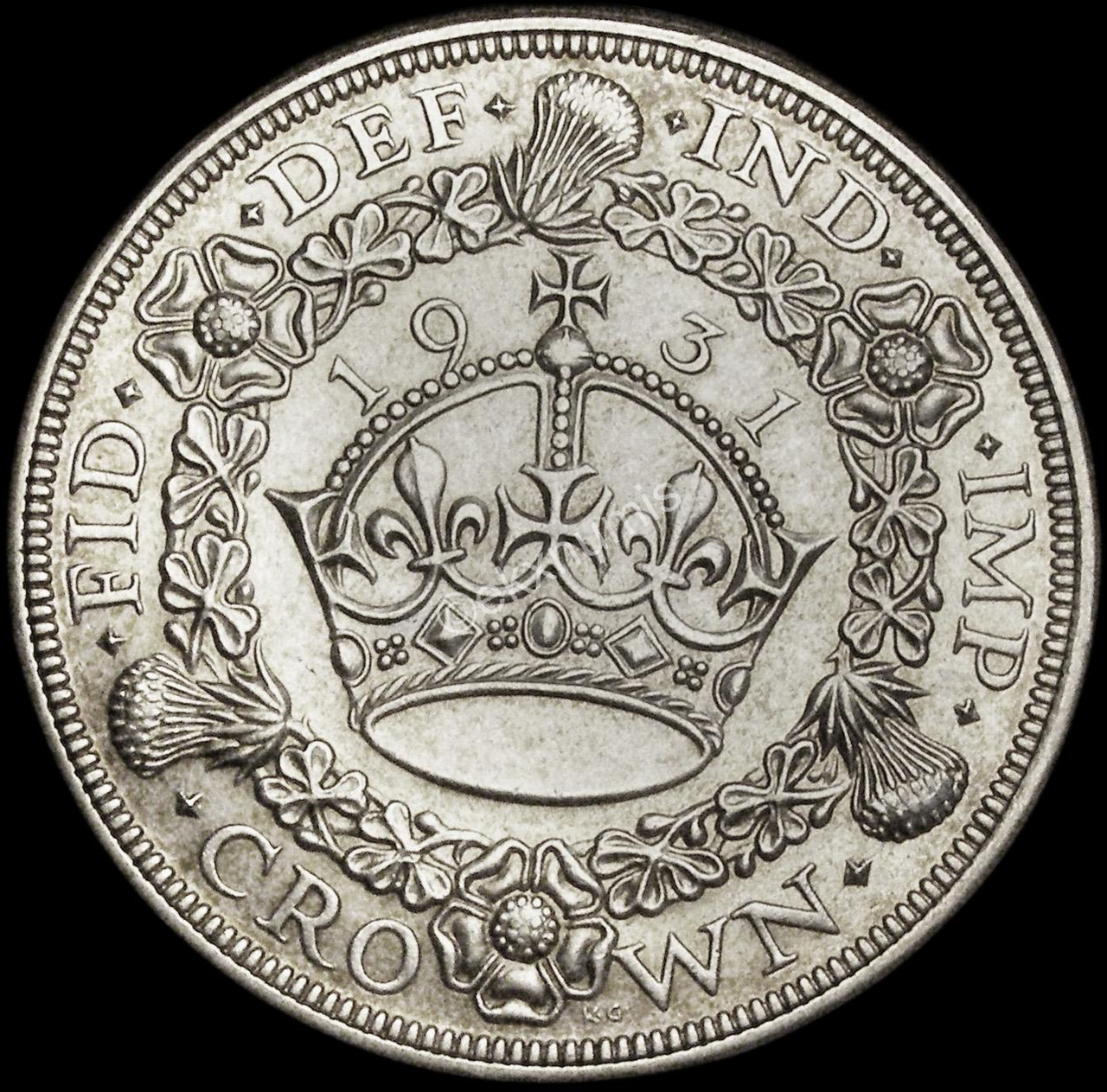 1931
1931
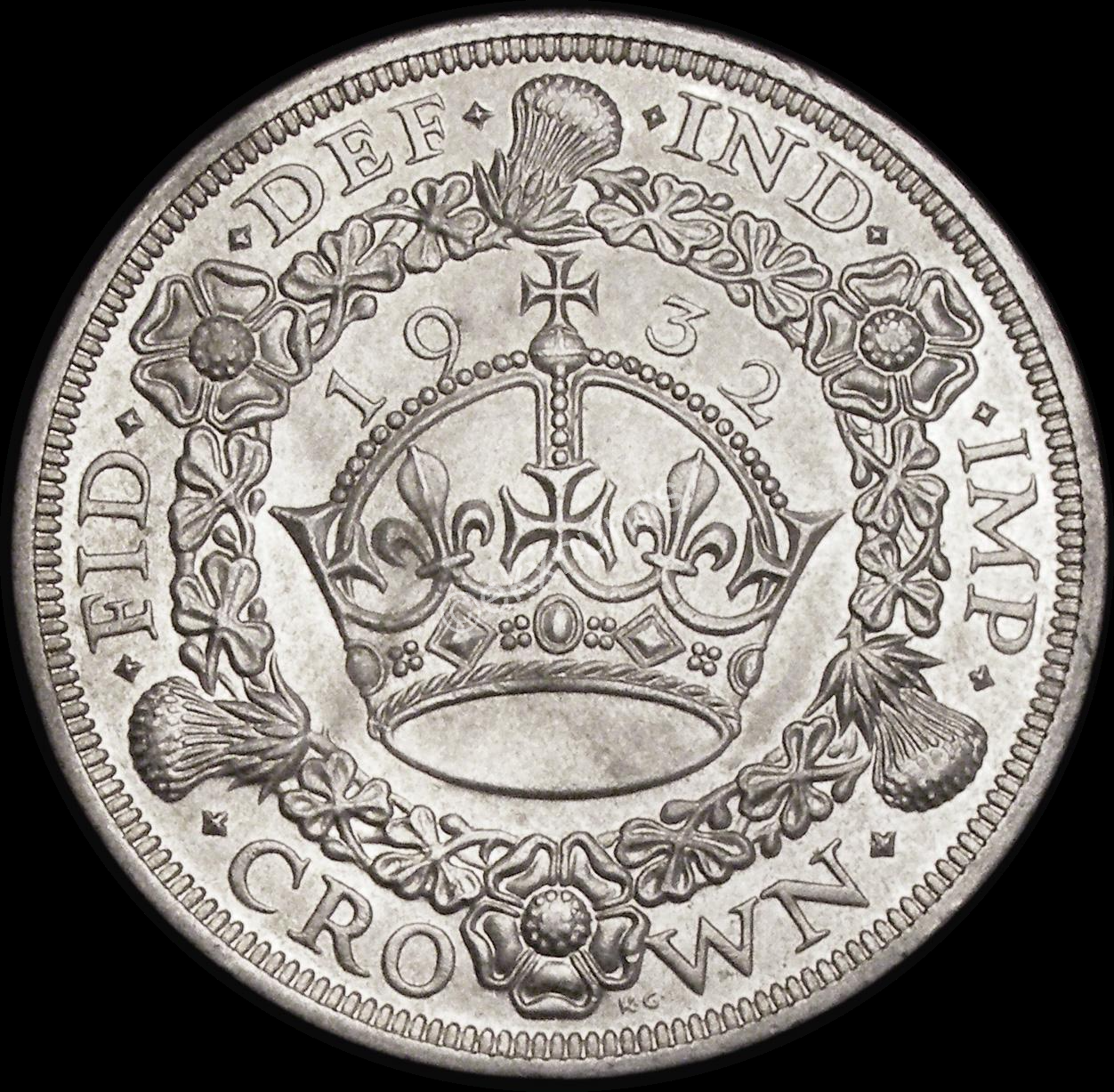 1932
1932
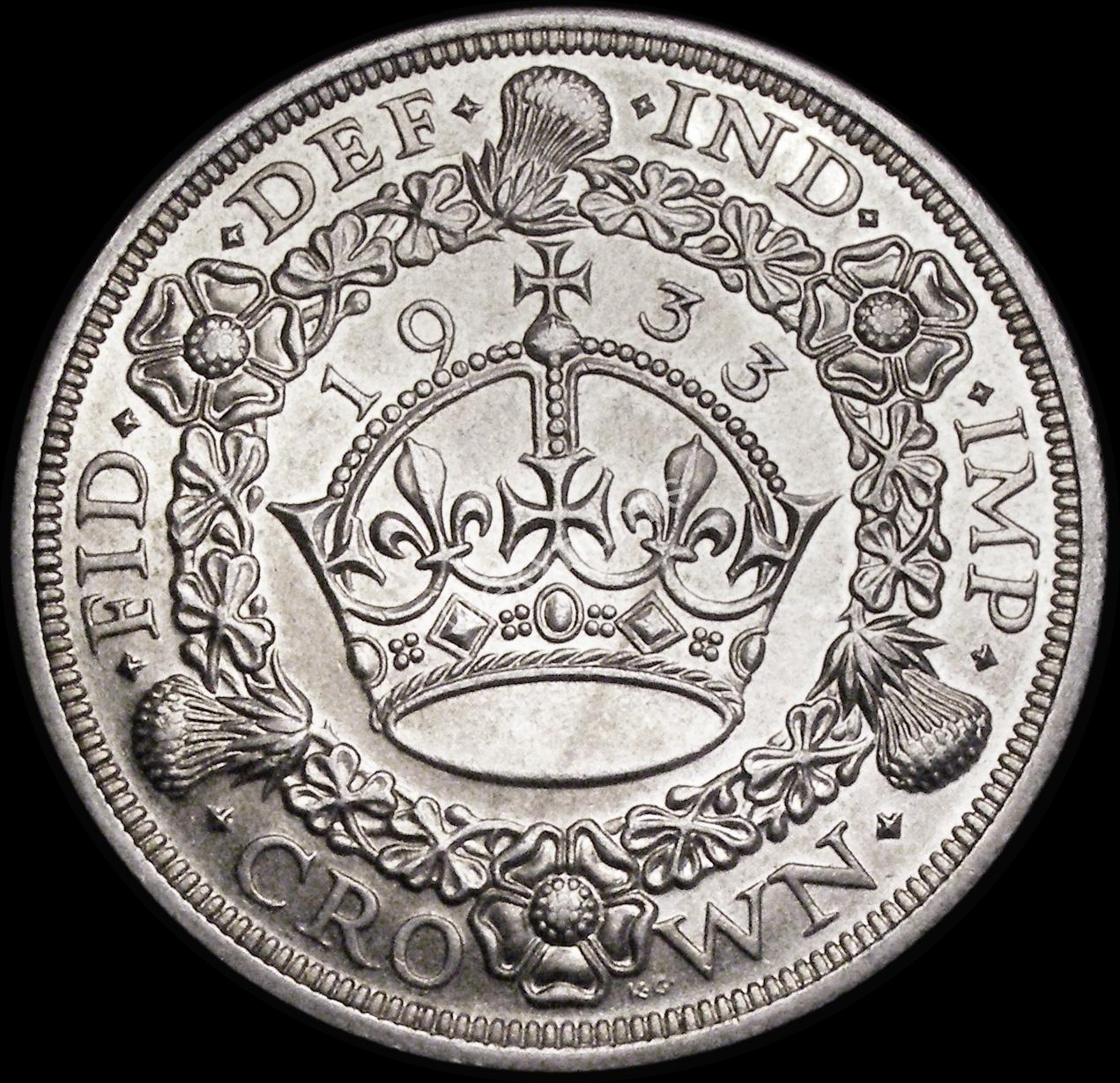 1933
1933
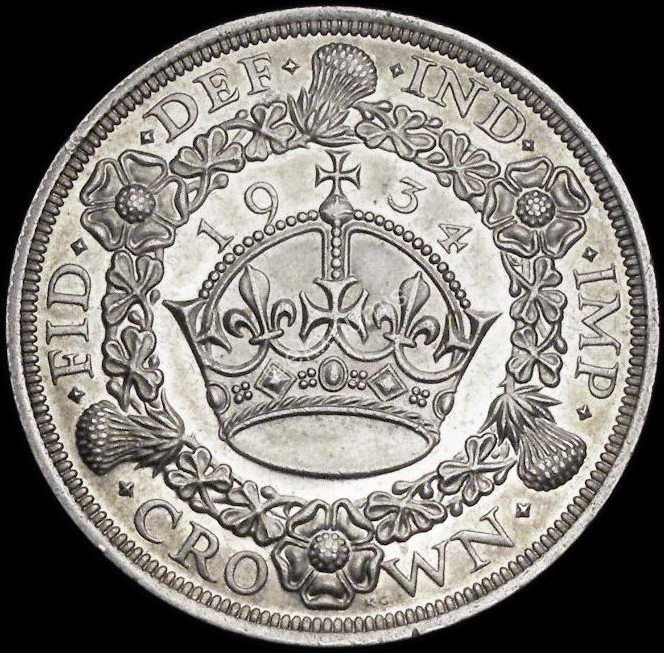 1934
1934
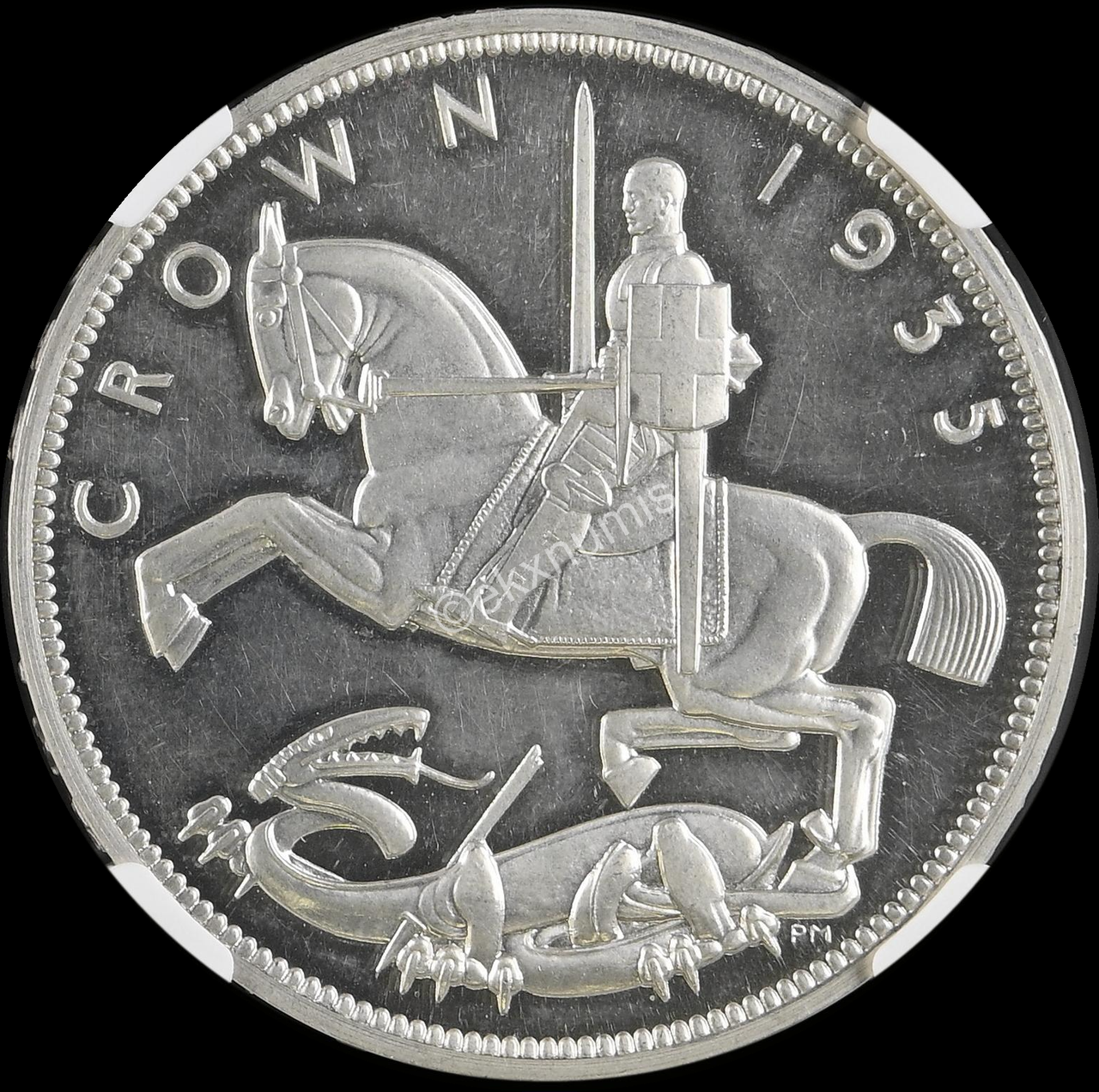 1935
1935
 1936
1936
Specifications
| Years Issued |
1927–1934, 1936 |
| Diameter |
38.61 mm |
| Weight |
28.28 g |
| Edge |
Reeded |
| Alloy |
.500 silver |
| Obverse Designer |
Sir Edgar Bertram Mackennal |
| Reverse Designer |
George Kruger Gray |